
 CR-1
CR-1 CR-2
CR-2 CR-8
CR-8 CR-15
CR-15 CR-30
CR-30 CR-50
CR-50 CR-100
 CR-200
 CR-300
 CR-500
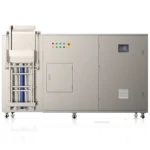 CR-1000
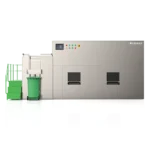 CR-2000
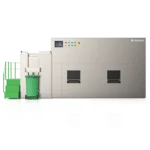 CR-3000
 CR-5000
 10Tons
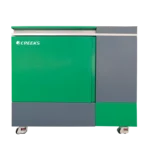 10KGs
10KGs 30KGs
30KGs 50KGs
50KGs 100KGS
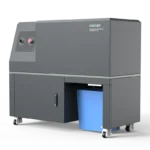 Food Waste Shredder
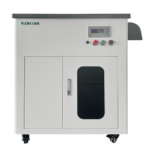 Waste Reduction Machine
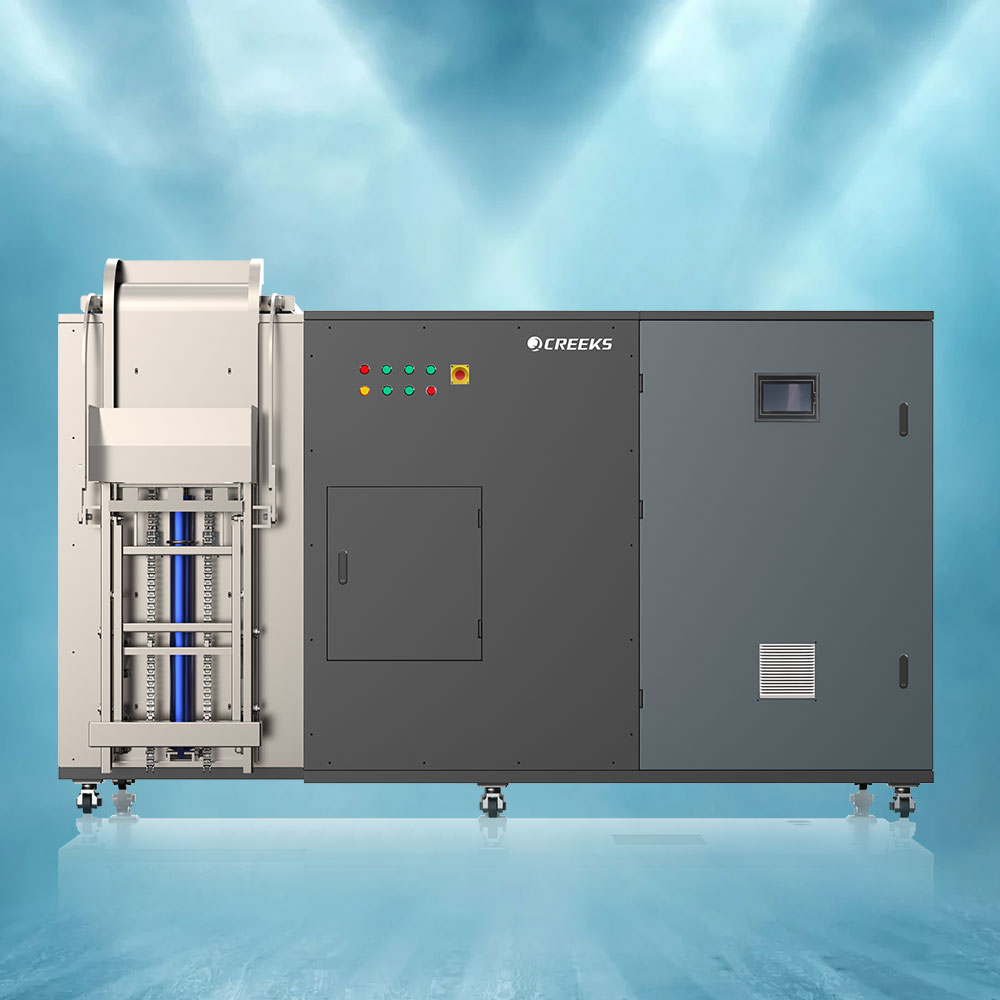
Commercial & Industrial Food Waste Converter Machine: Transforming Waste Streams into Resources
Commercial and industrial food waste converters represent a paradigm shift in how businesses manage organic waste. From large-scale dehydrators processing tons of waste daily to sophisticated aerobic digesters creating liquid fertilizers, these systems offer enterprises a practical pathway to sustainability goals while delivering measurable ROI.
A food waste converter machine is an electric appliance that accelerates the natural decomposition process of organic waste through controlled conditions. Unlike traditional composting, which can take months and requires outdoor space, these machines typically process waste in 24 hours.
How Does the Food Waste Converter Machine Work?
The process is straightforward:
1. Collection: Users deposit fruit and vegetable scraps, coffee grounds, eggshells, and other organic waste.
2. Shredding & Pre-processing: The machine crushes or breaks down the food waste into smaller pieces to increase the surface area and improve microbial activity. (Optional)
3. Heating & Aerobic Fermentation: Inside the chamber, the waste is mixed with specially cultivated microorganisms (if required). Under oxygen-rich conditions, the microbes decompose organic matter into carbon dioxide, water, heat, and humus. The machine maintains an ideal temperature (usually 50–70°C) to accelerate decomposition and kill harmful pathogens.
4. Automatic Mixing and Aeration: Built-in mixers and air pumps continuously stir and aerate the material, ensuring even fermentation and preventing anaerobic odors.
5. Moisture Control: The machine regulates humidity by evaporating excess water through heating and ventilation, keeping moisture at an optimal level for composting.
6. Deodorization: Exhaust gases pass through activated carbon filters, bio-filters, or spray towers to remove odors before being released.
7. Final Compost Output: After 21–24 hours, the food waste is transformed into stable, dry, and odor-free compost that can be used as fertilizer or soil amendment.
Advantages of Food Waste Converter Machine
- Reduces Waste Volume: Significantly reduces food waste by 80–90%, lowering the amount sent to landfills or incineration.
- Fast Composting Process: Converts organic waste into usable compost within hours or days, depending on the machine type.
- Environmentally Friendly: Minimizes methane emissions from landfills and helps reduce the overall carbon footprint.
- Odor-Free Operation: Built-in deodorization systems (activated carbon, bio-filters, or spray towers) effectively remove unpleasant smells.
- Easy to Operate & Low Maintenance: Fully automated with simple controls, requiring minimal manpower and maintenance.
- Cost Savings: Reduces waste disposal fees, transportation costs, and potential penalties for improper waste management.
- Produces Valuable Compost: Generates nutrient-rich organic fertilizer that can be used for gardening, landscaping, or agriculture.
- Hygienic & Safe: High-temperature aerobic fermentation kills pathogens and harmful bacteria, ensuring safe compost output.
- Supports Sustainability Goals: Helps businesses and communities achieve sustainability, ESG, or green certification requirements.
- Suitable for Multiple Applications: Ideal for homes, restaurants, schools, hotels, supermarkets, farms, and food processing facilities.