
 CR-1
CR-1 CR-2
CR-2 CR-8
CR-8 CR-15
CR-15 CR-30
CR-30 CR-50
CR-50 CR-100
 CR-200
 CR-300
 CR-500
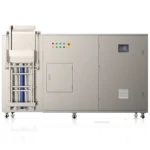 CR-1000
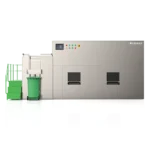 CR-2000
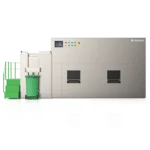 CR-3000
 CR-5000
 10Tons
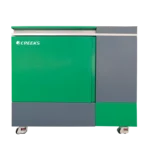 10KGs
10KGs 30KGs
30KGs 50KGs
50KGs 100KGS
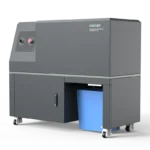 Food Waste Shredder
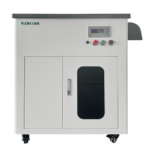 Waste Reduction Machine
Food Waste Management Systems: Reduce, Track, Recycle
In commercial and industrial kitchen areas, storing food waste in open garbage bins is unhygienic and can result in contamination. Food waste starts to rot quickly, generating strong odors and even toxic corrosive gases. It should not be stored in gray wastewater tanks or fed into a conventional wastewater treatment system. With the Creeks Food Waste System, waste is processed and transported in an enclosed vacuum piping network to a dedicated holding tank that can be located away from food-preparation areas.
Creeks is a leading China manufacturer and provider of on-site, aerobic decomposition systems for organic waste. Their core mission is to divert food waste from landfills by transforming it into a useful, nutrient-rich resource (soil conditioner) directly at the source—be it a commercial kitchen, hospital, supermarket, or residential apartment complex.
They are not an in-vessel composting system in the traditional sense, but rather a continuous feed, accelerated decomposition system that uses heat, forced aeration, and proprietary biomass (woodchips) to break down waste rapidly.

The Creeks food waste management system automates and simplifies the natural decomposition process within a sealed, stainless-steel unit.
- Loading: Food waste (including meat, dairy, bones, and compostable packaging) is deposited into the top-loading hopper.
- Shredding & Mixing: An internal mechanism shreds the waste and mixes it thoroughly with a proprietary biomass medium (a specially formulated woodchip blend). This biomass is key—it provides structure, absorbs moisture, and hosts the microbial community.
- Aerobic Digestion: Heated, moisture-controlled air is forced through the mixed material chamber. This creates an ideal environment for thermophilic (heat-loving) microbes to thrive, rapidly breaking down the organic matter.
- Evaporation: The controlled process evaporates the high moisture content of food waste (typically ~70% water).
- Output: After a processing cycle (typically 24 hours), the result is a stable, dry, sanitized, and soil-like material called “SoilRite.” This output is drastically reduced in volume (by up to 90%) and weight (by up to 85%).
- Automation: The entire process is managed by a programmable logic controller (PLC), requiring minimal operator intervention beyond loading waste.
Key Features & Differentiators
- Wide Input Acceptance: Handles all food waste, including cooked foods, meat, fish, bones, dairy, fruit, vegetables, and most certified commercially compostable packaging.
- Proprietary Biomass Medium: Not just mulch; it’s a formulated, pH-balanced medium that controls odor, accelerates decomposition, and is continuously reused within the system (topped up periodically).
- Odor-Free Operation: Negative air pressure and internal biofilters ensure no offensive odors escape the unit, making it suitable for installation inside commercial kitchens.
- High Reduction Rates: Dramatically reduces mass and volume, slashing waste collection frequency and costs.
- Continuous Operation: Unlike batch composters, waste can be added 24/7 while the cycle continues.
- Sanitized Output: The sustained thermophilic process achieves a high level of pathogen reduction, producing a stable, usable material.
- Remote Monitoring (Telemetry): Most systems include remote monitoring of key metrics (temperatures, cycle status, faults), allowing for proactive management and support.
Output: SoilRite
The end product, SoilRite, is:
- Not a fertilizer, but a high-quality soil conditioner or compost amendment.
- Rich in organic matter and beneficial microbes.
- Can be used on-site for landscaping, given to staff or local community gardens, or collected by specialized organics recyclers for further processing into certified compost.
In essence, Creeks provides a “digestion appliance” for buildings—a reliable, automated system that turns a problematic waste stream into a resource while delivering operational savings and environmental benefits. It is a prominent solution in the commercial and institutional space for organizations seeking to manage food waste sustainably and efficiently at the source.