
 CR-1
CR-1 CR-2
CR-2 CR-5
CR-5 CR-8
CR-8 CR-15
CR-15 CR-30
CR-30 CR-50
CR-50 CR-100
 CR-200
 CR-300
 CR-500
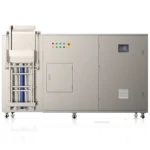 CR-1000
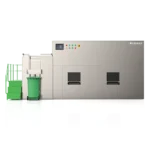 CR-2000
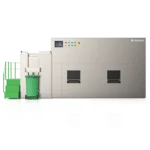 CR-3000
 CR-5000
 10Tons
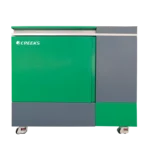 10KGs
10KGs 30KGs
30KGs 50KGs
50KGs 100KGS
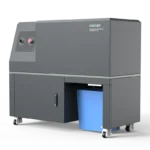 Food Waste Shredder
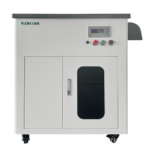 Waste Reduction Machine
Kitchen Waste Disposal Machines: A Modern Solution for Cleaner Kitchens and Greener Planet
In today’s fast-paced world, where sustainability and convenience go hand in hand, kitchen waste disposal machines have emerged as indispensable appliances in modern households. Installed under kitchen sinks and connected to drain pipes, these devices transform food scraps—from vegetable peels and fruit cores to leftover meals—into fine particles that can be safely flushed into the sewer system. Beyond simplifying daily chores, they play a pivotal role in reducing environmental pollution and promoting a circular economy.
A kitchen waste disposal machine is an efficient appliance designed to process food scraps such as leftovers, vegetable peels, and bones. Using grinding, heating, dehydration, and microbial or mechanical treatment, it reduces waste volume, eliminates odors, and converts kitchen waste into dry residue or organic compost. This helps minimize landfill use, lower methane emissions, improve hygiene, and support sustainable waste management in homes, restaurants, and commercial kitchens.
How Do Kitchen Waste Disposal Machines Work?
Kitchen waste disposal machines (also called food waste disposers or composting machines) work by processing food scraps into smaller, manageable material using mechanical, thermal, and/or biological methods.
Key Benefits of Installing a Kitchen Waste Disposal Machine
The adoption of kitchen waste disposal machines brings multifaceted advantages to homeowners, communities, and the environment:
1. Enhanced Kitchen Hygiene: Food waste left in trash cans is a breeding ground for bacteria, mold, and pests like cockroaches and rodents. By eliminating the need to store wet waste, disposal machines reduce odors and minimize the risk of foodborne illnesses, keeping kitchens cleaner and healthier.
2. Reduced Landfill Burden: Kitchen waste accounts for 30-50% of household garbage globally. When sent to landfills, it decomposes anaerobically, releasing methane—a potent greenhouse gas with 28 times the heat-trapping capacity of carbon dioxide. Disposal machines divert this waste from landfills, cutting down on methane emissions and extending the lifespan of waste management facilities.
3. Simplified Waste Management: Sorting and transporting wet waste to compost bins or collection points can be time-consuming and messy. With a disposal machine, food scraps are disposed of instantly, eliminating the hassle of separate waste bins and frequent trips to outdoor compost piles.
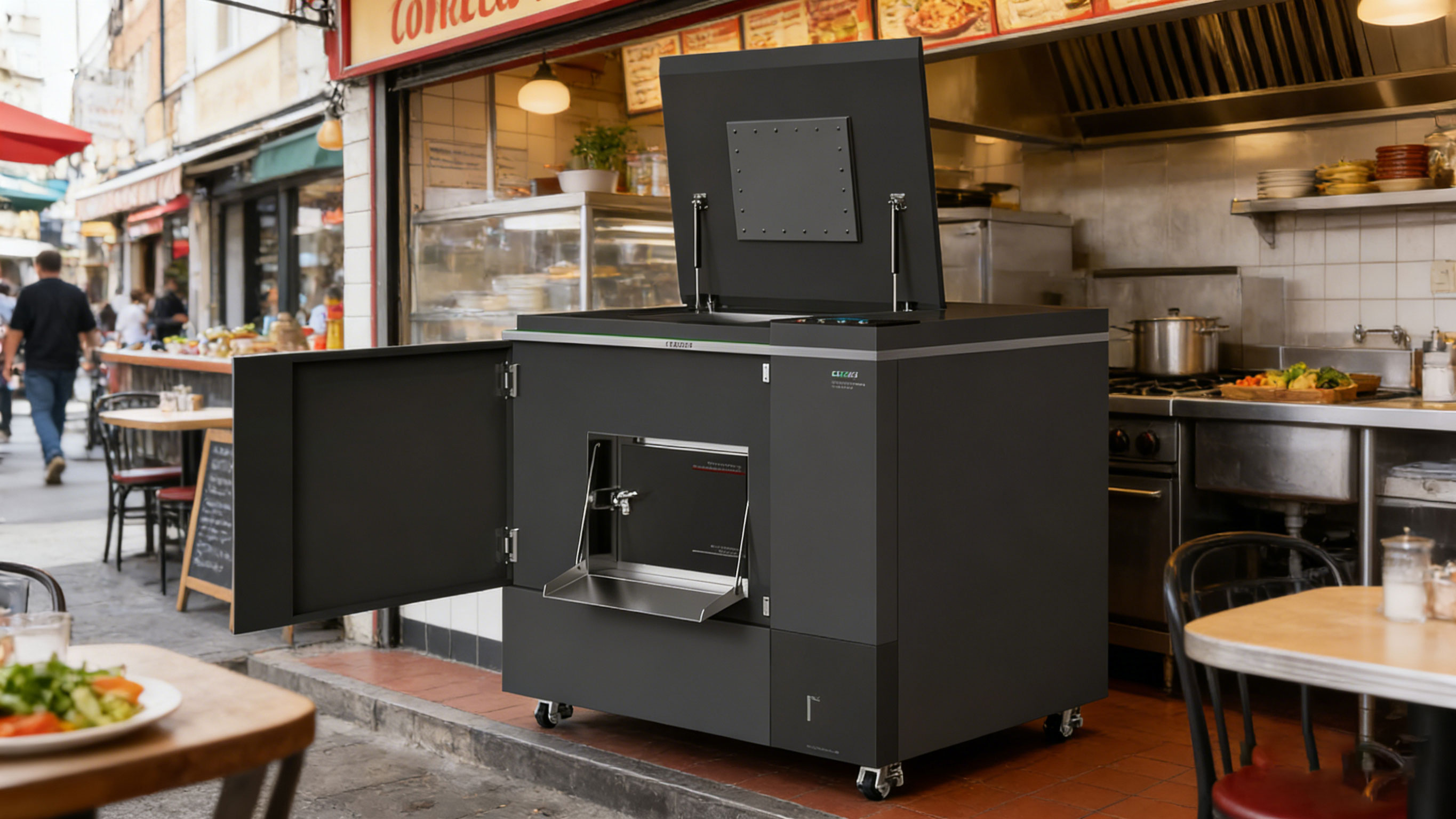
A kitchen waste disposal machine is a smart and eco-friendly solution for managing food waste generated in households and commercial kitchens. It efficiently processes various types of kitchen waste, including food leftovers, fruit and vegetable scraps, meat, fish, and bones.
The machine works through a combination of fermentation, heating, dehydration, and biological or mechanical decomposition, significantly reducing waste volume by up to 80–90%. During operation, high temperatures and continuous mixing help eliminate bacteria and odors, ensuring a clean and hygienic environment.
Kitchen waste disposal machines help reduce landfill dependency, lower greenhouse gas emissions, and prevent sewer blockages caused by improper waste disposal. The final output can be used as organic fertilizer or compost, making it ideal for homes, restaurants, hotels, schools, and food service facilities seeking sustainable and cost-effective waste management solutions.
Kitchen waste disposal machines are more than just convenient appliances—they are a step toward sustainable living. By simplifying waste management, improving kitchen hygiene, and reducing environmental impact, they have become a must-have for modern households. Whether you prioritize affordability, power, or eco-friendliness, there is a disposal machine tailored to your needs. As global awareness of waste reduction grows, these devices will continue to play a vital role in building cleaner, greener communities. Investing in a kitchen waste disposal machine is not just an upgrade for your kitchen—it’s a commitment to a healthier planet.