
 CR-1
CR-1 CR-2
CR-2 CR-5
CR-5 CR-8
CR-8 CR-15
CR-15 CR-30
CR-30 CR-50
CR-50 CR-100
 CR-200
 CR-300
 CR-500
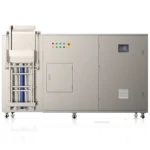 CR-1000
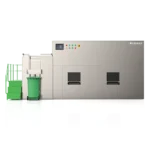 CR-2000
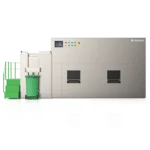 CR-3000
 CR-5000
 10Tons
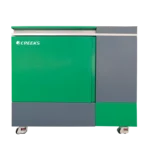 10KGs
10KGs 30KGs
30KGs 50KGs
50KGs 100KGS
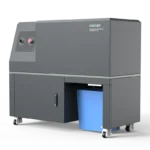 Food Waste Shredder
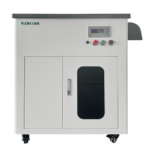 Waste Reduction Machine
Every day, millions of pounds of food waste end up in landfills. But what if those banana peels, coffee grounds, and wilted lettuce leaves could be given a second life? At [Your Company Name], we believe that waste isn’t waste until you waste it. Through effective food waste to compost management, we can turn our kitchens into the starting point for healthier gardens and a healthier planet.
Here is how you can transform your daily scraps into “black gold.”
1. Why Composting is the Ultimate Recycling
When food waste sits in a landfill, it decomposes without oxygen and produces methane—a greenhouse gas 25 times more potent than carbon dioxide. However, when you manage that same waste through composting, it decomposes with oxygen, producing nutrient-rich humus that feeds the soil.
By choosing compost management, you aren’t just getting rid of trash; you are actively fighting climate change from your backyard.
2. What Can You Compost? (The Green & Brown Balance)
Successful food waste management relies on balance. Think of your compost pile as a recipe that needs the right ingredients:
- The Greens (Nitrogen): Fruit and vegetable scraps, coffee grounds, fresh grass clippings.
- The Browns (Carbon): Dried leaves, cardboard, egg cartons, and wood chips.
- The Rule: Aim for a mix of about one part “Green” to two parts “Brown.” This balance ensures your pile breaks down quickly without smelling bad.
3. Managing the Pile: Keep It Simple
You don’t need to be a scientist to manage compost; you just need to follow three simple steps:
- Chop It: Smaller pieces break down faster. Give those watermelon rinds a rough chop.
- Keep It Wet (But Not Too Wet): Your pile should feel like a wrung-out sponge. If it gets too dry, add water; if it gets too soggy, add more “Browns.”
- Turn It: Oxygen is essential. Give your pile a turn with a pitchfork or aerator every week or two to speed up the process.
4. When Your Waste Becomes “Black Gold”
After a few months, you will notice that the food scraps you once threw away have transformed into dark, crumbly, earthy-smelling compost. This isn’t just dirt; it is a soil amendment packed with nutrients.
- In the Garden: Mix it into your vegetable beds for bigger tomatoes and brighter flowers.
- For Lawns: Spread a thin layer over your grass as a natural fertilizer.
- For Potted Plants: Use it to retain moisture and feed your houseplants.
5. Need Help Managing the Mess? We’re Here for You.
We understand that not everyone has the space or the time to manage a backyard compost pile. That is whereCreeks Composter comes in. We offer residential and commercial food waste to compost management services that make sustainability effortless.
Food waste is a problem, but it is also an opportunity. By rethinking how we manage our scraps, we can reduce our environmental footprint and give back to the earth. Whether you start a pile in your backyard or partner with a professional service, every banana peel diverted from the trash is a win for the planet.