
 CR-1
CR-1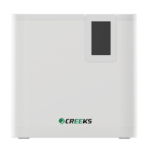 CR-2
CR-2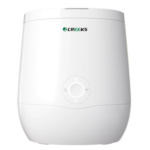 CR-3
CR-3 CR-5
CR-5 CR-10
CR-10 CR-30
CR-30 CR-50
CR-50 CR-100
 CR-200
 CR-300
 CR-500
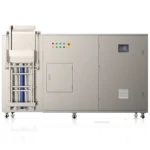 CR-1000
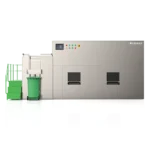 CR-2000
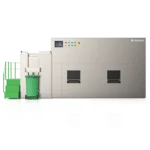 CR-3000
 CR-5000
 10Tons
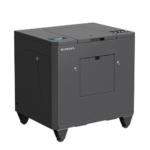 Food Waste Dryer
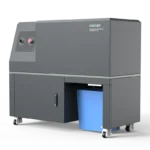 Food Waste Shredder
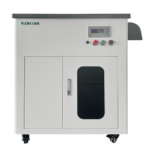 Waste Reduction Machine
Best Food Composter for Kitchen | Odor-Free & Fast Composting Solutions
Food waste is one of the most significant issues in modern kitchens. Fruit peels, leftover vegetables, coffee grounds, and expired food often end up in trash bins, creating unpleasant odors and increasing landfill waste. A kitchen food composter offers a cleaner, smarter, and more sustainable solution.
In recent years, electric food composters have become increasingly popular for homes, apartments, cafés, and small businesses. They help reduce kitchen waste quickly while producing dry, nutrient-rich material that can be used in gardens or disposed of more easily.
What Is a Kitchen Food Composter?
A kitchen food composter is a compact machine designed to process food scraps directly inside the home. Unlike traditional outdoor compost piles that take weeks or months, modern electric composters can dry, grind, and decompose food waste within hours.
Most kitchen composters can handle:
- Fruit and vegetable scraps
- Leftover meals
- Coffee grounds and tea bags
- Bread and grains
- Small bones and meat scraps
- Eggshells
The result is a significant reduction in waste volume, often up to 80–90%.
Why You Need a Food Composter in Your Kitchen
- Reduce Food Waste: Households throw away large amounts of food every day. A composter helps reduce landfill waste and supports a more eco-friendly lifestyle.
- Eliminate Bad Odors: Modern composting machines use activated carbon filters and sealed systems to prevent unpleasant kitchen smells.
- Save Space: Kitchen composters are compact enough to fit on countertops or under sinks, making them ideal for apartments and small homes.
- Fast Composting Process: Traditional composting can take months. Electric food composters can complete the process in as little as 4–24 hours.
- Easy Maintenance: Most machines feature automatic cleaning systems and removable containers for convenient operation.
Features to Look for in the Best Kitchen Food Composter
Choosing the right food composter depends on your kitchen size, household needs, and daily food waste volume.
- Compact Design: A good kitchen composter should fit easily into modern kitchens without taking up too much space.
- Odor-Free Operation: Look for machines with carbon filters and sealed lids to keep your kitchen fresh.
- Quiet Performance: Low-noise operation is important, especially for apartments and open kitchens.
- Energy Efficiency: Efficient machines consume less electricity while still processing waste quickly.
- Large Capacity: Families that cook frequently may need larger capacity composters to reduce the need for constant emptying.
- Durable Construction: High-quality stainless steel interiors and strong motors improve machine lifespan.
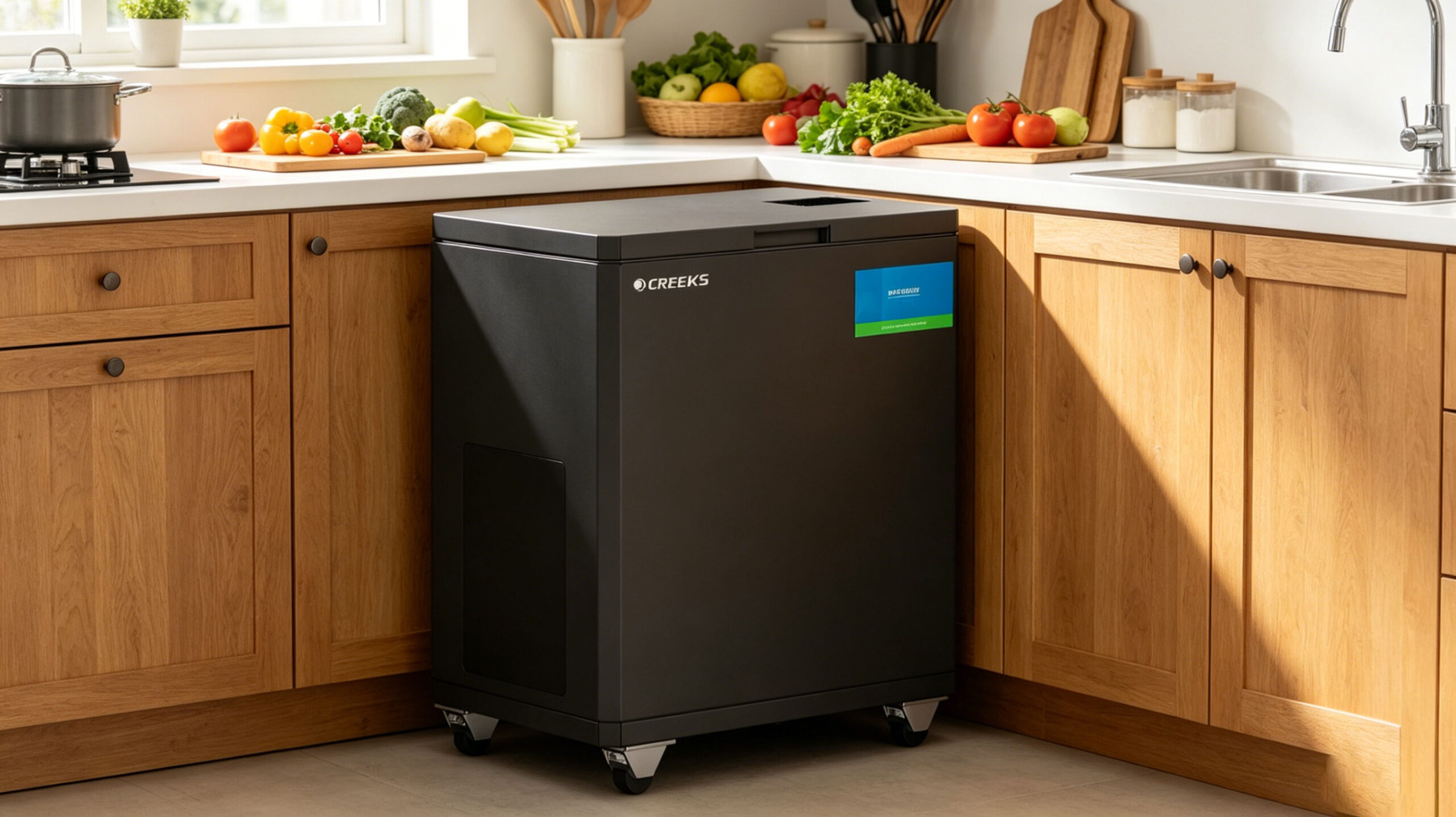
Electric Food Composters
These are the most popular options for modern homes. They automatically compost food waste with minimal effort.
Best for:
- Busy households
- Apartments
- Modern kitchens
- Fast composting needs
- Traditional Compost Bins
High-quality composters typically offer:
- Automatic composting programs
- Odor-free operation
- Compact and stylish design
- Fast composting technology
- Energy-saving performance
- Simple one-touch controls
For households looking for a long-term food waste solution, electric composting machines are often the most practical choice.
How to Use a Kitchen Food Composter
- Collect food scraps during cooking or after meals
- Place the waste into the composter
- Start the automatic composting cycle
- Wait for the machine to dry and grind the waste
- Remove the finished compost material
The final product can be used as soil enrichment for plants or disposed of more easily than raw food waste.
Common Mistakes to Avoid
- Overloading the Machine: Adding too much food waste at once can reduce performance.
- Adding Excess Liquid: Large amounts of liquid can slow the drying process.
- Ignoring Maintenance: Cleaning filters and containers regularly helps maintain odor-free performance.
- Composting Non-Food Materials: Plastic, metal, and glass should never be added to composting machines.
Are Kitchen Composters Worth It?
Yes. A kitchen food composter can greatly reduce daily waste, improve kitchen hygiene, and support sustainable living. While the initial investment may be higher than traditional bins, the convenience and long-term environmental benefits make it worthwhile for many households.
Final Thoughts
The best food composter for kitchen use combines efficiency, convenience, and odor-free performance. Whether you live in a small apartment or a large family home, a modern food composting machine can help reduce waste and create a cleaner kitchen environment.
As more households adopt sustainable living habits, kitchen composters are becoming an essential appliance for eco-friendly homes. Choosing the right machine can save time, reduce trash volume, and make food waste management easier than ever.