
 CR-1
CR-1 CR-2
CR-2 CR-3
CR-3 CR-5
CR-5 CR-10
CR-10 CR-30
CR-30 CR-50
CR-50 CR-100
 CR-200
 CR-300
 CR-500
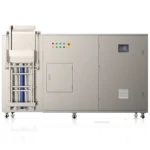 CR-1000
 CR-2000
 CR-3000
 CR-5000
 10Tons
 Food Waste Dryer
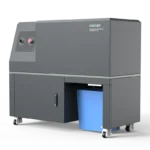 Food Waste Shredder
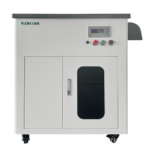 Waste Reduction Machine
Sustainable landscaping has become a pivotal aspect of urban planning, especially for large societies. As the world grapples with environmental challenges, the adoption of eco-friendly practices is more crucial than ever. One such practice is composting, which not only helps in managing organic waste but also enhances soil health, reduces greenhouse gas emissions, and promotes sustainable agriculture. This article delves into the long-term benefits of composting for large societies and highlights the role of Creeks Composter, a leading manufacturer of organic waste composting machines.
Understanding Composting
Composting is a natural process of recycling organic matter, such as leaves, food scraps, and yard waste, into a valuable fertilizer that can enrich soil and plants. This process involves the decomposition of organic materials by microorganisms under controlled conditions. The end product, known as compost, is rich in nutrients and beneficial for maintaining healthy soil.
Long-Term Benefits of Composting for Large Societies
1. Waste Reduction
Large societies generate a significant amount of organic waste daily. Composting helps in reducing the volume of waste that ends up in landfills. By diverting organic waste from landfills, societies can lower waste management costs and minimize their environmental footprint.
2. Soil Health and Fertility
Compost is an excellent soil amendment that improves soil structure, aeration, and water retention. It provides essential nutrients that plants need to thrive, reducing the dependency on chemical fertilizers. Healthier soil leads to more robust plant growth, contributing to greener and more sustainable landscapes.
3. Reduction of Greenhouse Gas Emissions
Organic waste in landfills decomposes anaerobically, producing methane, a potent greenhouse gas. Composting, on the other hand, is an aerobic process that significantly reduces methane emissions. By composting organic waste, societies can play a part in mitigating climate change.
4. Biodiversity Enhancement
Healthy soils support diverse microbial communities, which are essential for maintaining ecosystem function. Composting promotes the proliferation of beneficial microorganisms and earthworms, enhancing soil biodiversity. This, in turn, supports a wide range of plant and animal life, contributing to ecological balance.
5. Cost Savings
While the initial setup for composting systems may require investment, the long-term savings are substantial. Reduced waste management costs, lower expenditures on chemical fertilizers, and improved plant health all contribute to financial savings for large societies.
6. Educational and Community Benefits
Composting initiatives can serve as educational tools, teaching residents about sustainable practices and the importance of waste management. These programs can foster a sense of community, encouraging residents to participate in environmental stewardship.
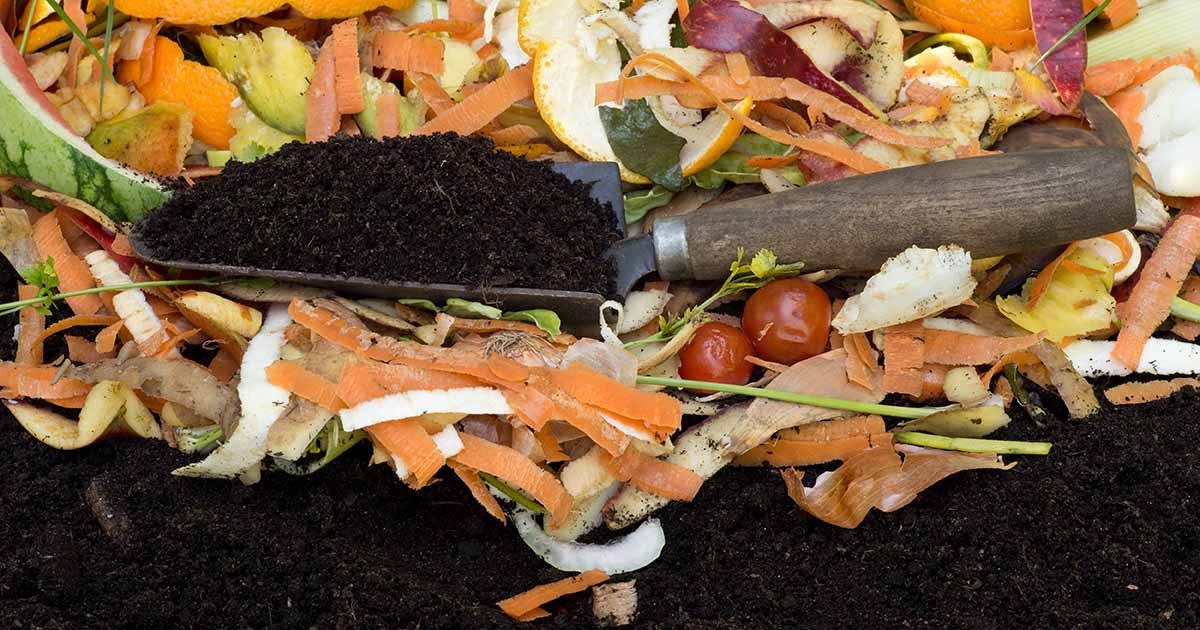
Creeks Composting: Leading the Way in Food Waste Composting Solutions
About Creeks Composter
Creeks Composter is a pioneer in the field of organic waste management, offering state-of-the-art composting machines designed to handle the organic waste generated by large societies. With a commitment to sustainability and innovation, Creeks Composter has been instrumental in promoting eco-friendly waste management practices across various sectors.
Products and Solutions
Creeks Composter offers a range of composting machines tailored to different needs and scales. Their products are known for their efficiency, durability, and user-friendliness.
Benefits of Using Creeks Equipments
- Efficiency: Creeks’ food composting machines are designed to process large volumes of organic waste swiftly, reducing the time and effort required for waste management.
- Sustainability: By promoting the recycling of organic waste into compost, Earthcare’s solutions help societies achieve their sustainability goals.
- Innovation: With continuous research and development, Creeks ensures that its products incorporate the latest technological advancements in composting.
Summary
Composting is a powerful tool for creating sustainable landscapes in large societies. The long-term benefits, including waste reduction, soil health improvement, greenhouse gas emission reduction, biodiversity enhancement, cost savings, and community engagement, make it an indispensable practice for modern urban living. Creeks Composter, located in Jiangsu, China, with its innovative composting solutions, is at the forefront of this green revolution, helping societies manage their organic waste efficiently and sustainably.
By adopting composting and utilizing advanced equipment from manufacturers like Creeks Composter, large societies can pave the way towards a greener, healthier, and more sustainable future.