
 CR-1
CR-1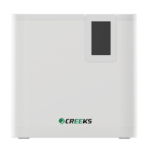 CR-2
CR-2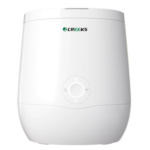 CR-3
CR-3 CR-5
CR-5 CR-10
CR-10 CR-30
CR-30 CR-50
CR-50 CR-100
 CR-200
 CR-300
 CR-500
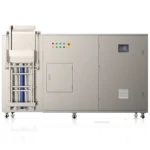 CR-1000
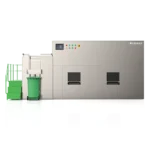 CR-2000
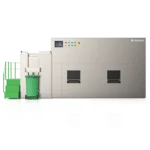 CR-3000
 CR-5000
 10Tons
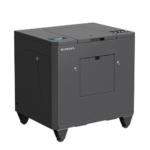 Food Waste Dryer
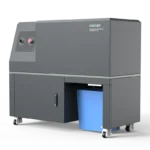 Food Waste Shredder
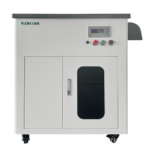 Waste Reduction Machine
Food waste is one of the largest contributors to landfill waste worldwide. As environmental awareness grows, many households and businesses are seeking practical ways to reduce their environmental footprint. Electric composters have emerged as a modern solution, promising to turn food scraps into reusable material quickly and conveniently. But are they truly an eco-friendly innovation, or just another appliance taking up kitchen space?
What Is an Electric Composter?
An electric composter is a machine that processes food waste through a combination of heat, grinding, drying, and microbial decomposition. Unlike traditional composting methods that may take weeks or months, electric composters can significantly reduce food waste volume within hours or days.
These machines are commonly used in:
- Homes and apartments
- Restaurants and commercial kitchens
- Hotels and resorts
- Schools and institutions
- Food processing facilities

The Environmental Benefits
1. Reduces Food Waste Sent to Landfills
Food waste decomposing in landfills produces methane, a greenhouse gas far more potent than carbon dioxide. By diverting organic waste from landfills, electric composters help reduce greenhouse gas emissions.
2. Significant Waste Volume Reduction
Most electric composters can reduce food waste volume by up to 80–90%, making waste management easier and lowering transportation and disposal costs.
3. Produces Useful Soil Amendment
Many composting machines create a nutrient-rich output that can be used in gardens, landscaping projects, farms, and green spaces, supporting a circular waste management system.
4. Encourages Sustainable Habits
Having an on-site composting solution often motivates households and businesses to become more conscious about waste separation and environmental responsibility.
Electric Composters vs. Traditional Composting
| Feature | Electric Composter | Traditional Composting |
|---|---|---|
| Processing Time | Hours to days | Weeks to months |
| Space Requirement | Compact | Requires outdoor space |
| Odor Control | Excellent | Varies by management |
| Energy Use | Requires electricity | No electricity needed |
| Ease of Use | Very convenient | Requires regular monitoring |
| Suitable for Urban Areas | Yes | Often challenging |
Who Benefits Most?
Electric composters are particularly valuable for:
- Urban households with limited outdoor space
- Restaurants generating daily food waste
- Hotels and resorts seeking sustainability initiatives
- Schools and institutions with environmental programs
- Businesses aiming to reduce waste disposal costs
For large-scale waste generators, industrial composting equipment can process hundreds or even thousands of kilograms of organic waste per day, providing substantial environmental and economic benefits.
Final Verdict
Electric composters are not merely a trendy kitchen gadget. When used correctly, they can play an important role in reducing food waste, lowering landfill dependency, and promoting sustainable waste management. While they do consume electricity and require an upfront investment, their convenience and waste reduction capabilities make them a valuable solution for many homes and businesses.
Ultimately, whether an electric composter is an eco win or an unnecessary appliance depends on the user’s waste volume, available space, and sustainability goals. For those seeking a practical way to manage food waste on-site, electric composters can be a smart step toward a greener future.