
 CR-1
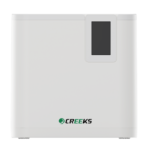 CR-2
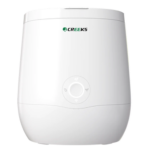 CR-3
 CR-5
 CR-10
 CR-30
 CR-50
 CR-100
 CR-200
 CR-300
 CR-500
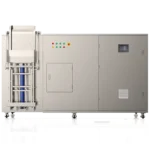 CR-1000
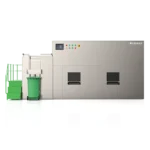 CR-2000
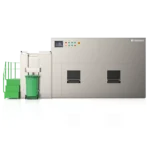 CR-3000
 CR-5000
 10Tons
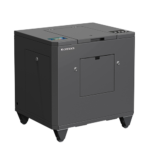 Food Waste Dryer
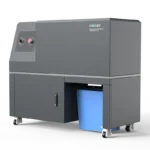 Food Waste Shredder
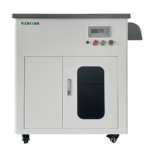 Waste Reduction Machine
Food Waste Composter for Schools | Efficient Commercial On-Site Composting Machine
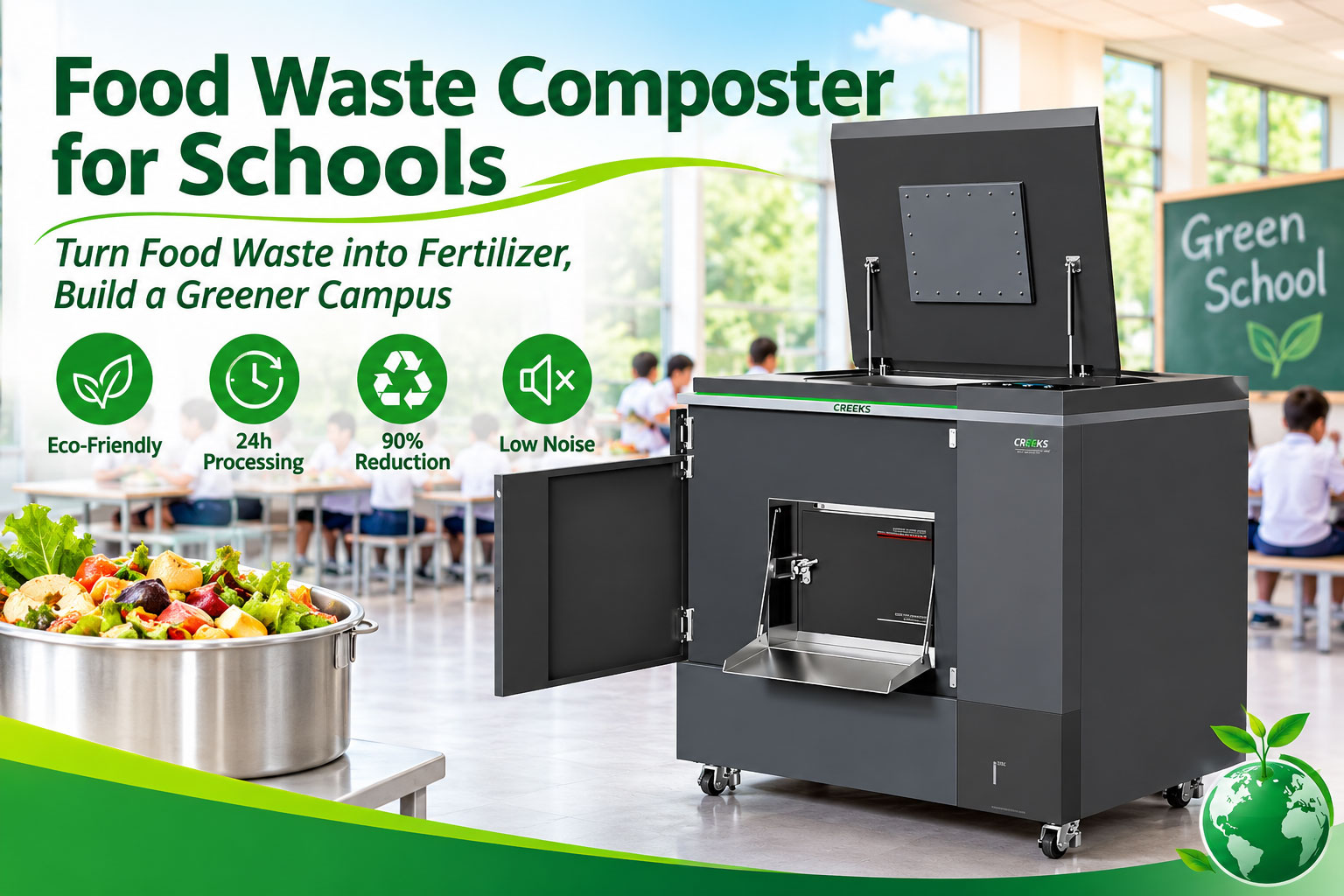
A Food Waste Composting Machine for Schools is an organic waste management system that helps reduce food waste from school canteens, convert food scraps into plant-nutrient material, and support Zero-Waste initiatives in educational institutions. It is ideal for schools that want to reduce landfill waste, lower waste-transportation burdens, and promote environmental learning among students.
Every day, schools generate food waste from canteens, lunch programs, and various activities. Without proper separation and management, food waste can cause unpleasant odors, hygiene issues, pest problems, and increase the amount of waste sent for external disposal.
Using a Food Waste Composting Machine for Schools allows educational institutions to manage food waste at the source while transforming waste into useful plant nutrient material for trees, vegetable gardens, and green areas within the school.
How does a Food Waste Composting Machine for Schools work?
The Creeks Food Waste Composting Machine uses biotechnology and an automatic system to decompose food waste. The process starts with separating food scraps from other types of waste before placing them into the machine. The system helps reduce waste volume and converts food scraps into plant nutrient material.
The operation is simple and suitable for daily use in schools. Staff can place food waste from the canteen into the machine according to the usage schedule, and the resulting material can be reused in the school’s green areas.
Benefits of Food Waste Composting Machine for Schools
A Food Waste Composting Machine for Schools helps improve waste management efficiency, reduce the burden of waste collection and transportation, and enhance the school’s image in environmental responsibility and sustainability.
Key benefits include:
- Reducing the amount of food waste sent for disposal
- Reducing waste transportation burdens from the school
- Helping minimize odors and hygiene issues from organic waste
- Converting food scraps into plant nutrient material
- Supporting Zero Waste and
- Green School initiatives
- Serving as an environmental learning tool for students
- Encouraging waste separation behavior at the source
What size Food Waste Composting Machine should a school choose?
Choosing the right machine size should be based on the daily amount of food waste, the number of canteen users, and the available installation space within the school. If the exact amount of food waste is unknown, the school can start by weighing food scraps for 5–7 days to estimate the average daily volume.
| Daily Food Waste Volume | Recommended Model | Suitable For |
|---|---|---|
| Around 10 kg/day | 10 kg model | Small schools or pilot project areas |
| Around 30 kg/day | 30 kg model | Small to medium-sized schools |
| Around 100 kg/day | 100 kg model | Medium to large-sized schools |
| Around 200 kg/day | 200 kg model | Large schools or large canteens |
Choosing the right machine helps schools manage food waste continuously and prevents problems caused by overloading the machine or selecting a model that is not sufficient for the actual waste volume.
Example of Use in Schools
Schools can use a Food Waste Composting Machine together with environmental activities such as waste separation, food waste reduction, vegetable gardening, and learning about efficient resource use.
Examples of how it can be used in schools include:
- Students and staff separate food scraps after meals
- Staff place the food waste into the composting machine
- The machine converts food scraps into plant nutrient material
- The school uses the plant nutrient material for trees or vegetable gardens
- Students gain hands-on learning about the food waste management cycle
This approach helps make environmental learning more than just theory. It becomes a real activity that students can experience in their daily school life.
How does a Food Waste Composting Machine help reduce canteen waste?
The school canteen is a major source of food waste, including vegetable scraps, fruit peels, leftover food, and food preparation waste. With proper waste management at the source, schools can significantly reduce the amount of waste mixed with general waste for disposal.
Installing a Food Waste Composting Machine within the school helps create a more organized waste management system in the canteen. Food scraps can be separated from general waste and processed on-site, reducing the accumulation of wet waste and lowering the daily burden of waste collection.
What types of schools is a Food Waste Composting Machine suitable for?
A Food Waste Composting Machine is suitable for schools that generate food waste regularly and want to manage waste sustainably within their own premises, especially schools with canteens, food courts, or environmental activities.
Suitable for:
- International schools
- Private schools
- Government schools
- Universities
- Food courts in educational institutions
- Schools with Zero Waste projects
- Schools aiming to become Green Schools
In addition, a Food Waste Composting Machine is also suitable for schools that want to strengthen their environmental responsibility image and encourage students to take part in reducing waste at the source.
Sustainability Overview
Food waste management in schools is not only about cleanliness, but also about reducing long-term environmental impacts. Food waste sent to landfills can generate greenhouse gases, which contribute to global warming. Information on food waste reduction can be further studied through environmental organizations such as UNEP.
When schools can separate and manage food waste on-site, they can reduce the amount of waste transported for disposal, lower resource use in waste transportation, and turn food scraps into useful material for the school’s green areas.
This approach also supports environmental education, sustainability, and the development of socially responsible behavior among students from an early age.
Submit Your Contact Details for a Customized Food Waste Management Solution.