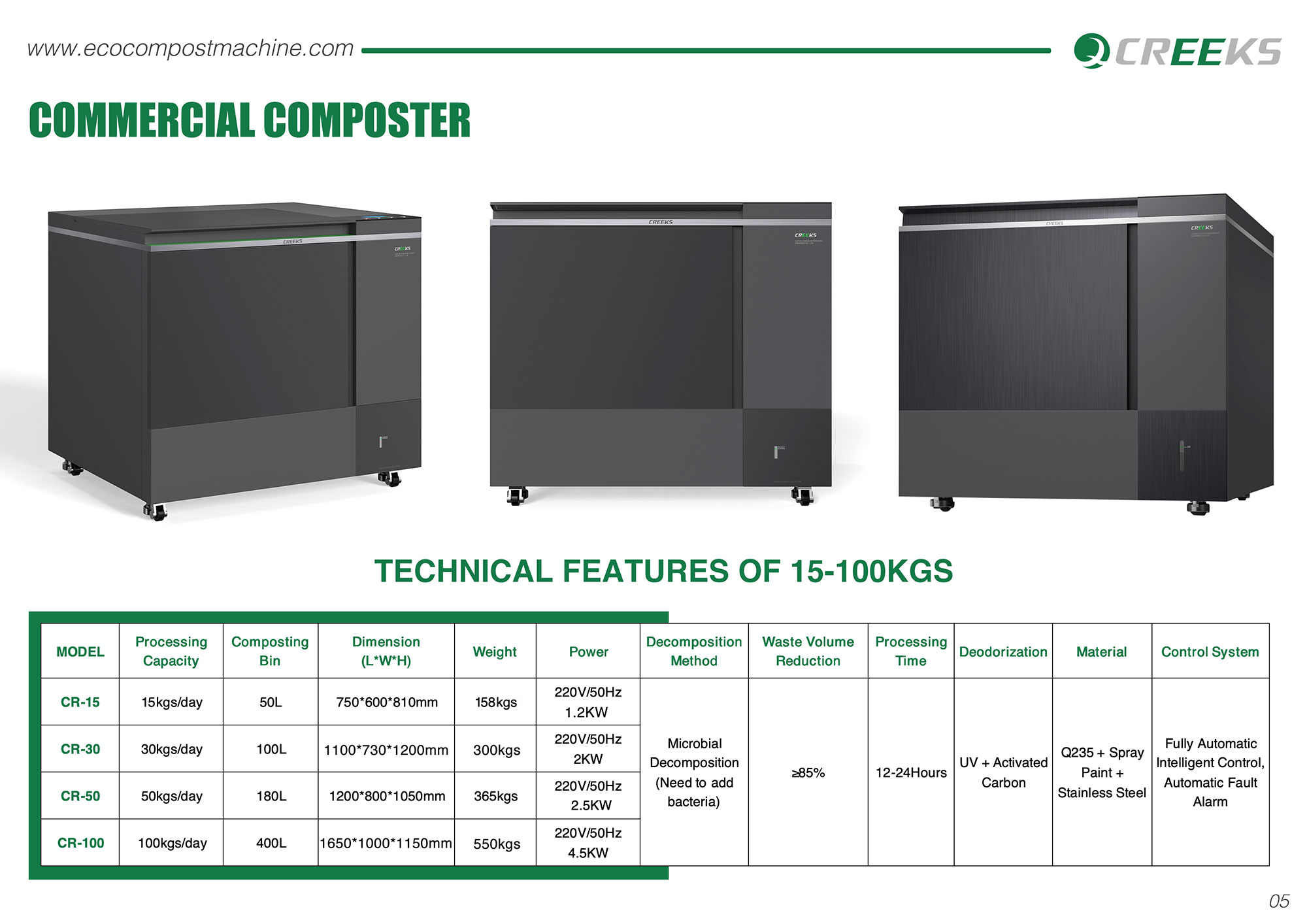
CR-1
CR-1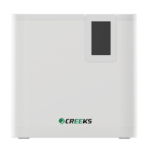 CR-2
CR-2 CR-3
CR-3 CR-5
CR-5 CR-10
CR-10 CR-30
CR-30 CR-50
CR-50 CR-100
 CR-200
 CR-300
 CR-500
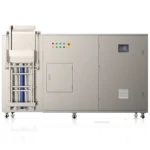 CR-1000
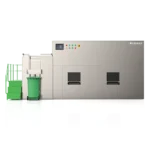 CR-2000
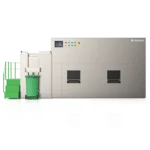 CR-3000
 CR-5000
 10Tons
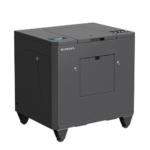 Food Waste Dryer
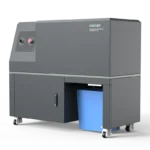 Food Waste Shredder
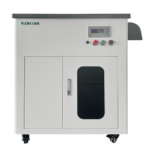 Waste Reduction Machine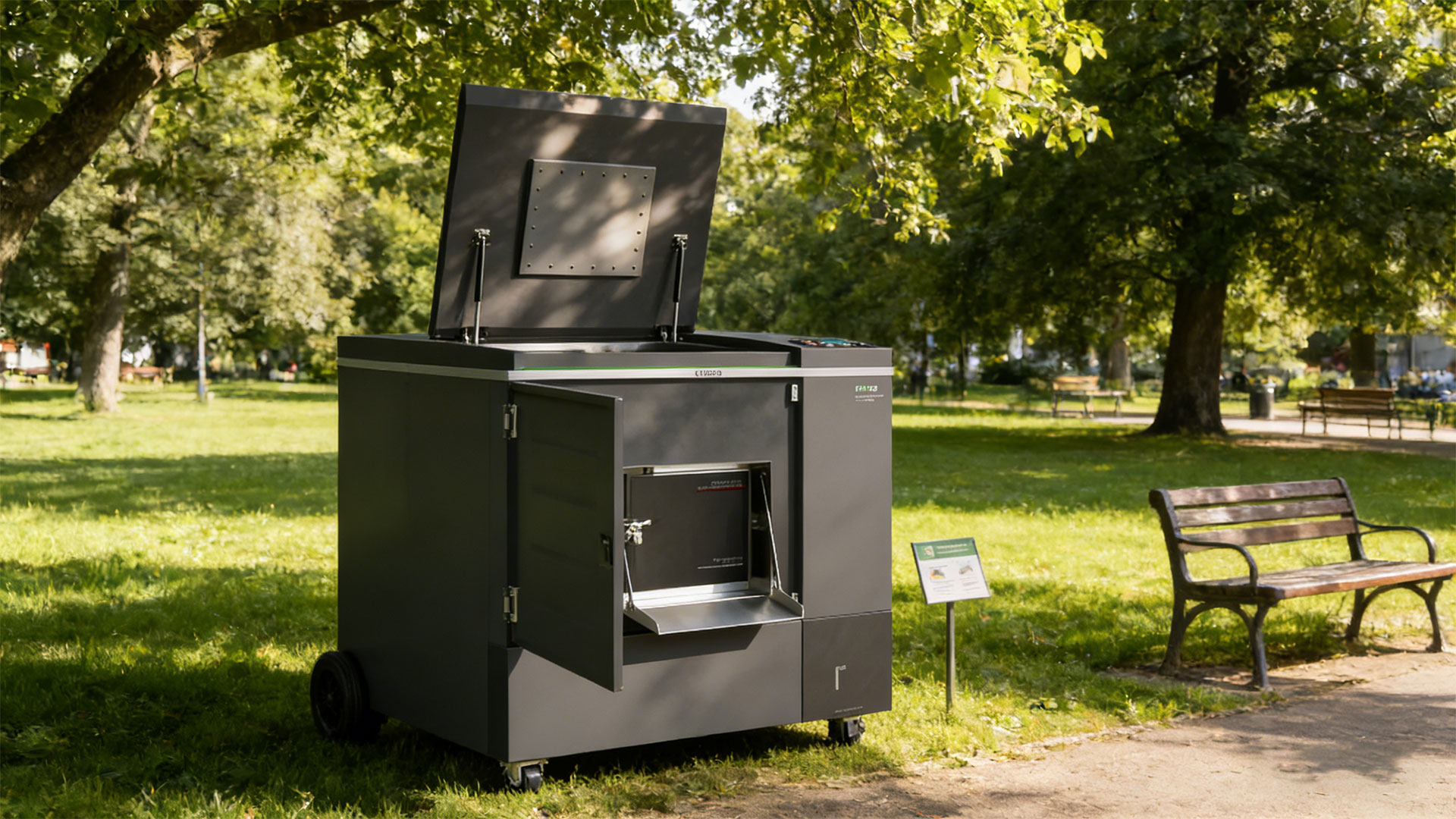
What is a Food Waste Machine?
A Food Waste Machine is an eco-friendly system designed to process and recycle food waste into useful byproducts – compost. It helps reduce landfill waste, eliminate odors, and support sustainable waste management for homes, restaurants, hotels, supermarkets, schools, and industrial kitchens.
Food waste machines turn food scraps into compost quickly and efficiently through heat, mixing, airflow, and microbial decomposition. The food waste machine can reduce food waste volume by 80–90% within 21–24 hours while producing nutrient-rich compost or recyclable organic material.
Core Objectives
- Volume/Weight Reduction: To reduce waste by up to 90% (by volume) and 80-85% (by weight).
- On-Site Management: To handle waste where it’s generated, cutting transportation costs and emissions.
- Environmental Sustainability: To divert waste from landfills, where it would produce methane, a potent greenhouse gas.
- Resource Recovery: To transform waste into a useful byproduct – compost.
How a Food Waste Machine Works?
- Collection & Loading: Food waste is collected in kitchen bins and loaded into the machine’s chamber.
- Shredding: Internal blades shred the waste into small, uniform particles, increasing the surface area for microbial action. (Optional Function)
- Decomposition Phase: Heated, oxygen-rich air is circulated. Microbes (thermophilic bacteria) rapidly consume the waste, raising the temperature high enough to kill pathogens.
- Moisture & Aeration Control: The system carefully manages moisture and air to optimize the process.
- Curing & Output: After the active cycle, the material may cure. The final output (dry mulch, compost, or liquid) is collected for use or disposal.
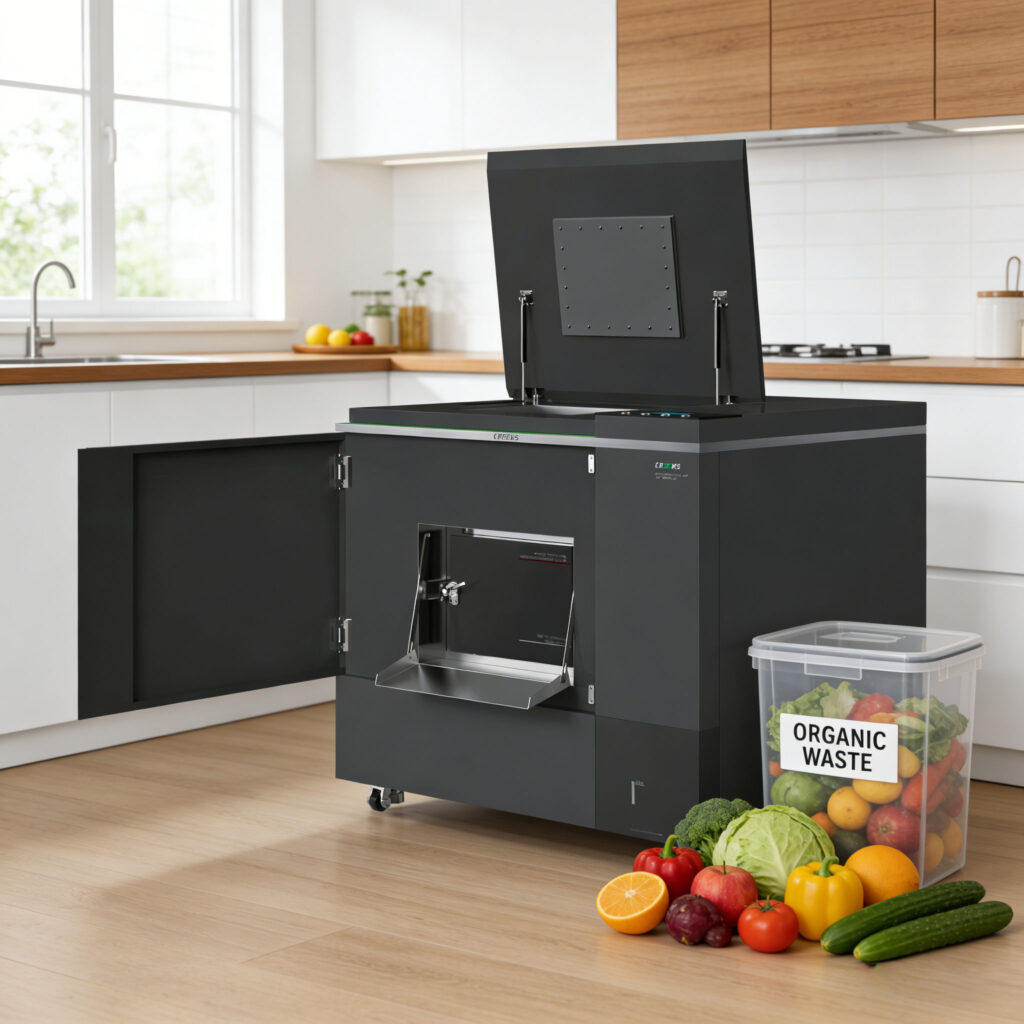
Key Benefits & Advantages of Food Waste Machine
- Reduces Landfill Impact: Diverts organic waste, reducing methane emissions and landfill leachate.
- Lowers Costs: Cuts waste hauling and tipping fees.
- Saves Space: Drastically reduces the volume of waste stored on-site.
- Hygiene & Odor Control: Enclosed systems control pests, odors, and bacteria.
- Creates Value: Produces useful compost for landscaping or agriculture.
- Corporate Social Responsibility (CSR): Demonstrates a commitment to sustainability.
- Regulatory Compliance: Helps meet local waste diversion and organic waste ban regulations.
Common Applications of the Food Waste Machine
- Commercial: Hotels, restaurants, supermarkets, shopping malls.
- Institutional: Hospitals, schools, universities, prisons, corporate cafeterias.
- Industrial: Food manufacturing and processing plants.
- Public/Municipal: Airports, cruise ships, stadiums, municipal waste centers.
- Residential: Large apartment complexes and gated communities.
At Creeks, we believe the challenge of a growing population—and the corresponding rise in waste—calls for shared responsibility and immediate action. While waste reduction remains essential, we also recognize that some by-products are inevitable. That’s why we’re committed to transforming what remains into valuable resources.
To help you turn waste into worth, we provide a range of food wasteb machine tailored to different volumes and needs—because sustainable solutions should fit seamlessly into your operations.