
 CR-1
CR-1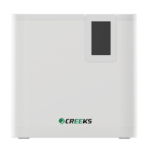 CR-2
CR-2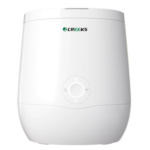 CR-3
CR-3 CR-5
CR-5 CR-10
CR-10 CR-30
CR-30 CR-50
CR-50 CR-100
 CR-200
 CR-300
 CR-500
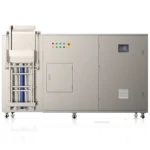 CR-1000
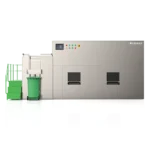 CR-2000
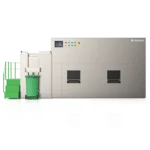 CR-3000
 CR-5000
 10Tons
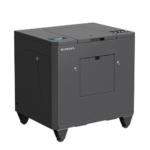 Food Waste Dryer
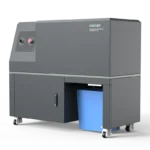 Food Waste Shredder
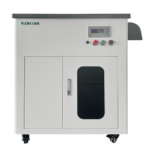 Waste Reduction Machine
Kitchen Waste Machine: An Efficient Solution for Food Waste Management
Kitchen waste is one of the largest sources of organic waste generated by households, restaurants, hotels, schools, canteens, and commercial kitchens. Traditional disposal methods can be costly, inconvenient, and environmentally challenging. A kitchen waste machine provides a more efficient way to process food scraps and reduce the amount of waste sent to landfills.
What Is a Kitchen Waste Composting Machine?
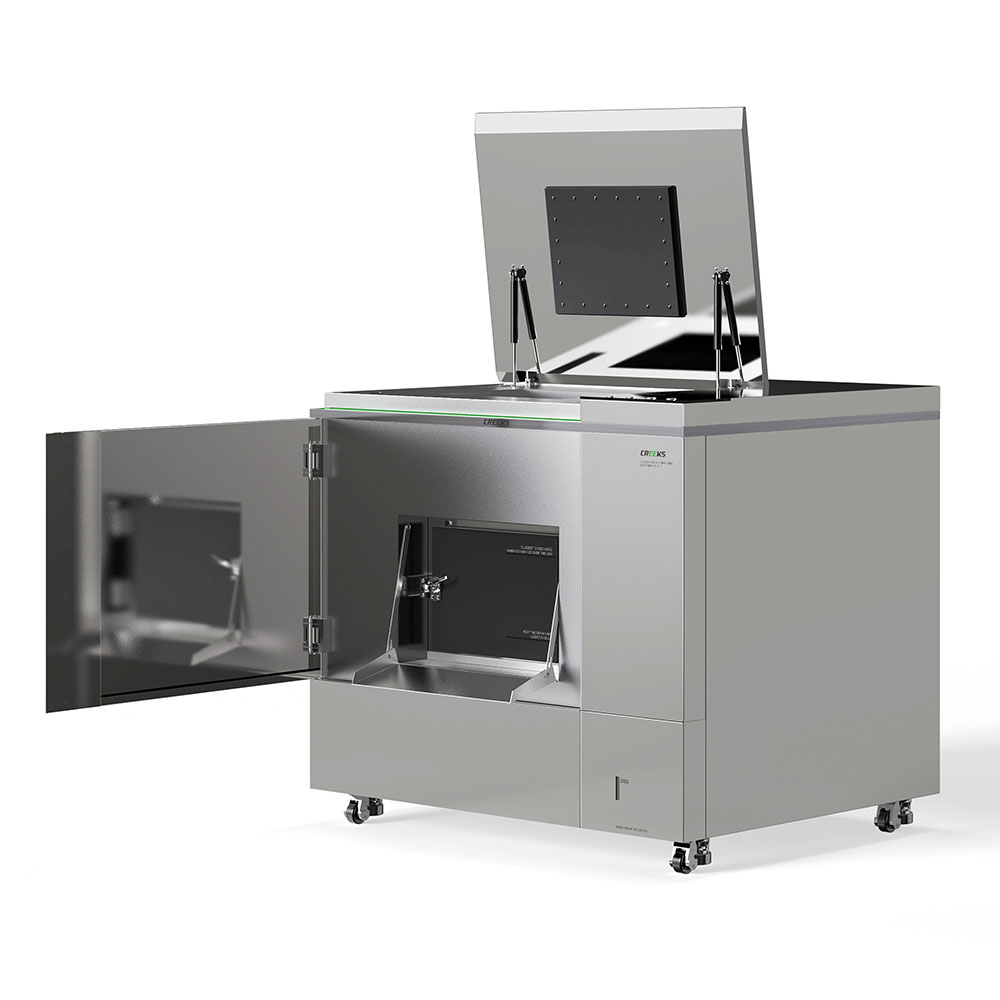
A kitchen waste composting machine is designed to process food scraps and other biodegradable organic waste. Depending on the technology and model, the machine can use processes such as dehydration, drying, grinding, or aerobic composting to reduce waste volume and produce a more manageable organic material.
For businesses that generate food waste every day, an on-site kitchen waste machine can help reduce transportation and disposal requirements while making organic waste management more convenient.
How Does a Kitchen Waste Composting Machine Work?
A typical kitchen waste composting machine follows several basic steps:
- Food Waste Collection
- Food scraps are collected from kitchens, restaurants, cafeterias, or other food-service areas.
- Waste Loading
- The collected organic waste is placed directly into the machine.
- Automatic Processing
- The machine controls important conditions such as temperature, aeration, moisture, and mixing according to the processing technology.
- Organic Waste Reduction
- The food waste is broken down and its volume can be significantly reduced.
- Compost Output
- For composting models, the processed material can be further cured and used as an organic soil amendment where appropriate.
Benefits of Using a Kitchen Waste Machine
1. Reduce Food Waste Volume
Kitchen waste composting machines can significantly reduce the volume of food waste, helping businesses lower the amount of waste that needs to be transported and disposed of.
2. Reduce Waste Disposal Costs
By processing food waste on-site, restaurants, hotels, schools, and other facilities may reduce the frequency of waste collection and associated disposal costs.
3. Minimize Odors and Waste Storage
Food scraps can quickly produce unpleasant odors when stored for extended periods. Fast on-site processing can help reduce the problems associated with accumulated kitchen waste.
4. Convenient On-Site Processing
Instead of transporting food waste to an external treatment facility, businesses can process organic waste directly at the point of generation.
5. More Sustainable Waste Management
Processing organic waste locally can help reduce the need for transportation and landfill disposal while supporting a more circular approach to organic waste management.
Where Can Kitchen Waste Composting Machines Be Used?
Kitchen waste composting machines are suitable for a wide range of applications, including:
- Restaurants and cafés
- Hotels and resorts
- School and university cafeterias
- Hospitals and care facilities
- Corporate canteens
- Shopping malls
- Food processing facilities
- Residential communities
- Large commercial kitchens
- Farms and agricultural facilities
The appropriate machine capacity depends on the amount and type of organic waste generated each day.
Choosing the Right Kitchen Waste Machine
When selecting a kitchen waste machine, consider the following factors:
- Daily Processing Capacity: Choose a machine that matches your average daily food waste volume.
- Type of Waste: Confirm that the machine can process the types of organic waste you generate, such as cooked food, vegetables, fruit, meat, or other biodegradable materials.
- Processing Method: Different machines use different technologies. Consider whether you need composting, drying, dehydration, or another treatment method.
- Installation Space: Check the machine’s dimensions and ensure that sufficient space is available for operation and maintenance.
- Energy Consumption: Compare energy requirements to determine the long-term operating cost.
- Output Requirements: If your goal is to produce compost or an organic soil amendment, select a machine designed specifically for composting rather than simple waste drying.
Creeks Kitchen Waste Composting Machine
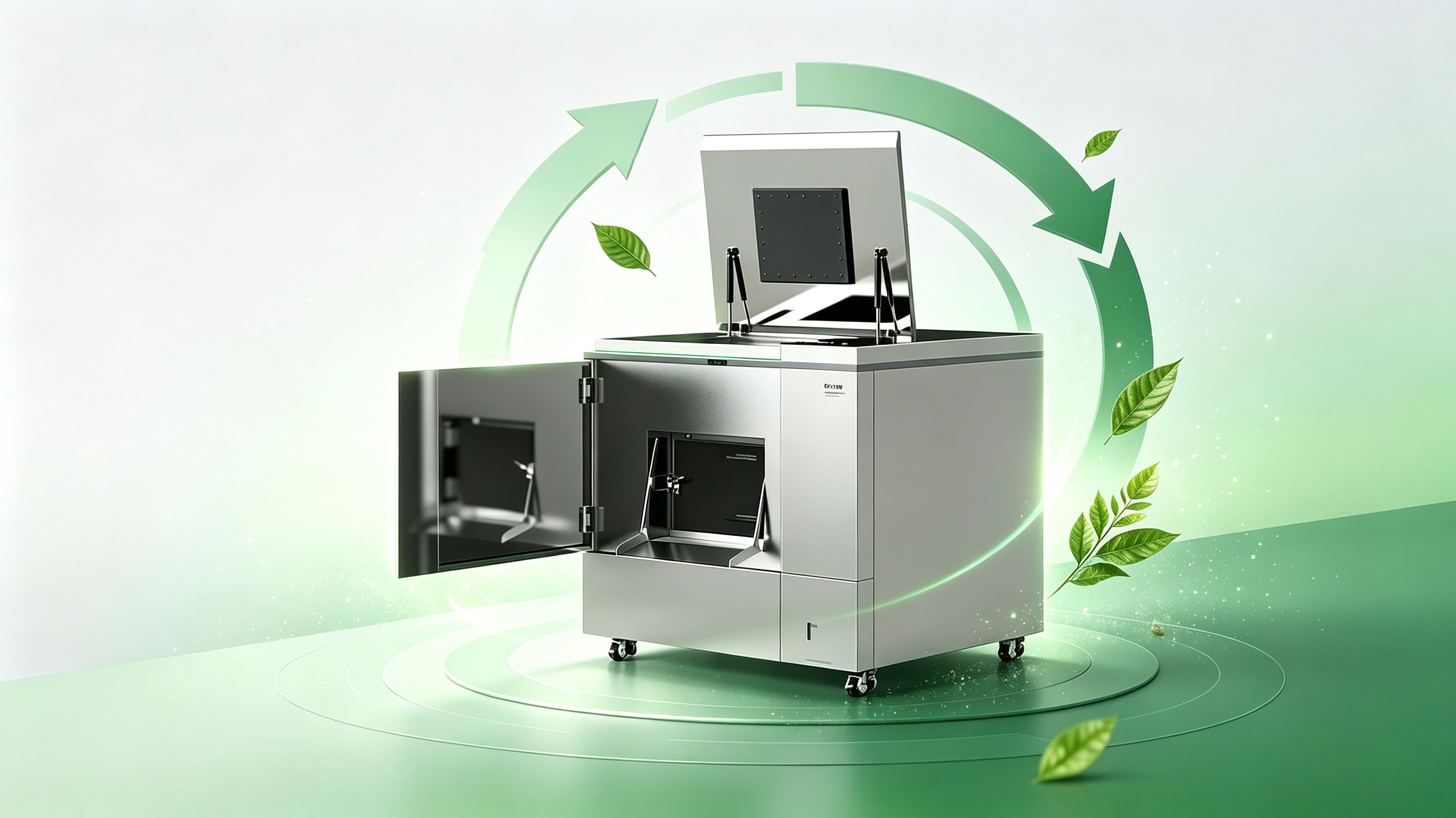
Creeks provides food waste composting machines designed for different waste-generation scenarios, from small kitchens and restaurants to large commercial and industrial facilities.
With automatic processing and multiple capacity options, Creeks machines can help organizations reduce food waste volume and process organic waste closer to where it is generated.
For facilities looking for a practical kitchen waste machine, choosing the right capacity and processing technology is essential. A properly selected system can make daily food waste management more efficient, cleaner, and more sustainable.
Conclusion
A kitchen waste machine offers an effective alternative to traditional food waste disposal. By processing organic waste at the source, businesses can reduce waste volume, improve kitchen waste management, and potentially lower disposal and transportation costs.
Whether you operate a restaurant, hotel, school, factory, or commercial kitchen, an appropriately sized kitchen waste composting machine can be an important part of a modern organic waste management system.