
 CR-1
CR-1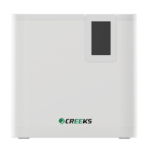 CR-2
CR-2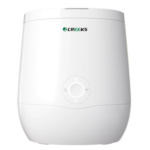 CR-3
CR-3 CR-5
CR-5 CR-10
CR-10 CR-30
CR-30 CR-50
CR-50 CR-100
 CR-200
 CR-300
 CR-500
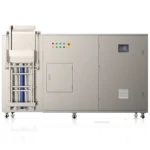 CR-1000
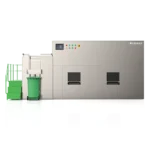 CR-2000
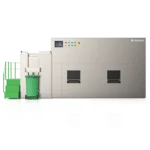 CR-3000
 CR-5000
 10Tons
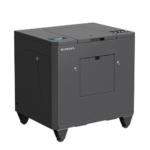 Food Waste Dryer
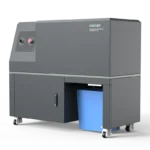 Food Waste Shredder
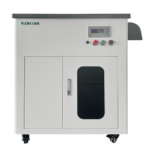 Waste Reduction Machine
Organic Waste Converter Machine: Turning Food Waste into a Sustainable Future
Every day, tons of food scraps, kitchen leftovers, and organic waste end up in landfills. As cities grow and environmental regulations become stricter, businesses and communities are searching for smarter ways to manage waste. This is where the Organic Waste Converter Machine is making a real difference.
An organic waste converter machine is an innovative solution that transforms food waste and biodegradable materials into useful compost within a short period of time. Instead of sending waste to overflowing landfills, organizations can now recycle organic waste directly on-site, reducing pollution and creating valuable organic fertilizer.
What Is an Organic Waste Converter Machine?
Organic waste converter machine is designed to process food waste, vegetable scraps, fruit peels, garden waste, and other biodegradable materials through biological decomposition technology. The organic waste converter machine accelerates the natural composting process using heat, microorganisms, and automatic mixing systems.
Within 24 hours, organic waste can be converted into nutrient-rich compost that can be used for landscaping, agriculture, and gardening.
Organic Waste Converter Machines are widely used in:
- Hotels and resorts
- Restaurants and commercial kitchens
- Shopping malls
- Schools and universities
- Hospitals
- Residential communities
- Food processing factories
- Municipal waste management projects
Why Businesses Are Choosing Organic Waste Converter Machines?
1. Reduce Waste Disposal Costs: Traditional waste transportation and landfill fees continue to increase. By processing waste on-site, businesses can significantly reduce waste collection expenses and lower operational costs.
2. Environmentally Friendly Solution: Organic waste in landfills produces methane gas, one of the major contributors to greenhouse emissions. Composting organic waste helps reduce carbon emissions and supports sustainable waste management practices.
3. Fast and Efficient Composting: Modern organic waste converter machines use advanced technology to speed up decomposition. Some systems can reduce waste volume by up to 80–90% within 24 hours.
4. Odor Control and Hygienic Operation: Advanced deodorization systems and sealed designs help minimize unpleasant odors, making the machines suitable for indoor and urban environments.
5. Support ESG and Sustainability Goals: Many companies are now focused on environmental responsibility and ESG (Environmental, Social, and Governance) initiatives. Installing an organic waste converter machine demonstrates a commitment to sustainability and green operations.
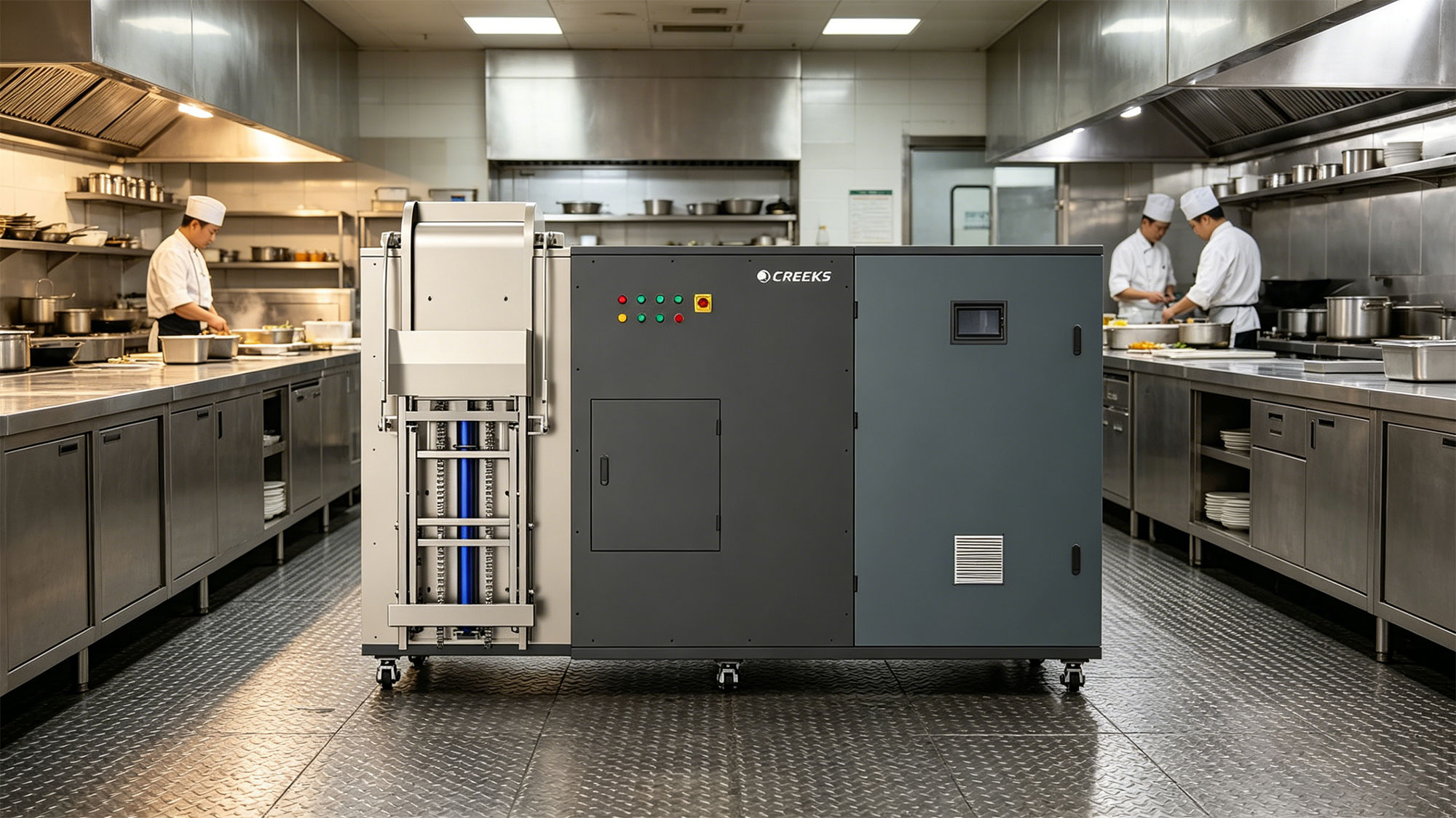
Key Features of Organic Waste Converter Machine
A high-quality organic waste composting machine typically includes:
- Automatic mixing and heating system
- Intelligent temperature control
- Energy-efficient operation
- Low noise design
- Odor filtration technology
- Easy touchscreen operation
- Compact footprint for commercial spaces
These features help ensure stable performance, easy maintenance, and long service life.
Applications Across Industries
- Hotels and Restaurants: Hotels and restaurants generate large amounts of kitchen waste daily. An organic waste converter machine helps reduce disposal costs while converting food waste into eco-friendly compost.
- Communities and Apartments: Residential communities can implement decentralized waste treatment systems to improve recycling efficiency and reduce landfill dependence.
- Agriculture and Farms: Farmers can use compost generated from organic waste to improve soil quality and reduce reliance on chemical fertilizers.
- Municipal Projects: Cities and municipalities are increasingly adopting organic waste recycling systems to support zero-waste policies and sustainable urban development.
The Future of Organic Waste Management
As governments around the world introduce stricter waste separation and environmental regulations, organic waste recycling is becoming an essential part of modern waste management systems.
Organic waste converter machines are not just waste treatment equipment — they are part of the circular economy. They help transform waste into resources, reduce environmental impact, and create a cleaner future for future generations.
Conclusion
Investing in an organic waste converter machine is a smart and sustainable choice for businesses, communities, and governments looking to manage organic waste efficiently. With fast composting technology, reduced operational costs, and environmental benefits, these machines are helping lead the transition toward greener waste management solutions.
By turning food waste into valuable compost, organic waste converter machines prove that waste is no longer just garbage — it is a resource waiting to be reused.
About Creeks Composter
Creeks Composter is a professional manufacturer of organic waste composting machines and food waste recycling solutions. The company focuses on transforming food waste into valuable organic compost through advanced composting technology, helping businesses and communities achieve sustainable waste management.
With years of experience in the environmental protection industry, Creeks provides efficient, eco-friendly, and intelligent composting equipment for commercial, industrial, and municipal applications.
Creeks is committed to promoting green technology and sustainable waste management worldwide. The company aims to provide innovative organic waste recycling solutions that help build cleaner cities, healthier communities, and a more sustainable future.
Through continuous innovation and reliable service, Creeks continues to deliver efficient composting solutions for global customers.