
 CR-1
CR-1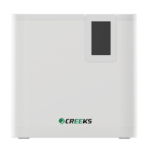 CR-2
CR-2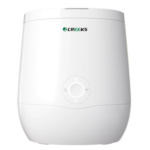 CR-3
CR-3 CR-5
CR-5 CR-10
CR-10 CR-30
CR-30 CR-50
CR-50 CR-100
 CR-200
 CR-300
 CR-500
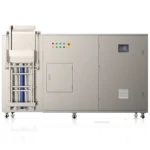 CR-1000
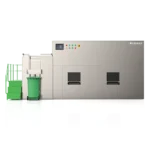 CR-2000
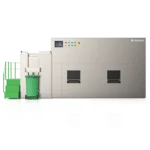 CR-3000
 CR-5000
 10Tons
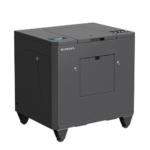 Food Waste Dryer
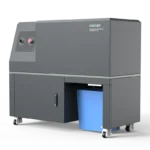 Food Waste Shredder
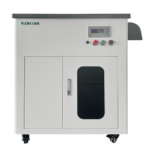 Waste Reduction Machine
Organic Waste Processing Equipment: Efficient Solutions for Organic Waste Recycling
Efficiently managing organic waste has become a major challenge for businesses, institutions, and waste-generating facilities. Restaurants, hotels, schools, factories, supermarkets, and residential communities generate significant amounts of food and organic waste every day. Traditional disposal methods can result in high transportation costs, unpleasant odors, and increased environmental impact.
Organic waste processing equipment provides an efficient way to process food scraps and other biodegradable materials directly at the source. By reducing waste volume and speeding up organic decomposition, modern processing equipment helps organizations manage waste more efficiently while supporting a more sustainable waste management system.
What Is Organic Waste Processing Equipment?
Organic waste processing equipment is designed to handle biodegradable waste such as food scraps, kitchen waste, vegetable and fruit waste, meat and fish waste, and other organic materials.
The processing process includes:
- Waste Feeding
- Crushing or Shredding (Optional)
- Mixing and Aeration
- Heating and Moisture Control
- Microbial Decomposition
- Volume Reduction
- Composting
Why Use Organic Waste Processing Equipment?
Traditional organic waste disposal often requires waste to be collected, transported, and treated at an external facility. For businesses producing large quantities of food waste, this can create ongoing disposal and transportation expenses.
On-site organic waste processing equipment offers several potential benefits.
1. Reduce Organic Waste Volume
Food waste contains a high moisture content. Processing equipment can significantly reduce the volume and weight of organic waste, making it easier to handle and transport.
2. Process Waste On Site
Instead of sending organic waste to an external treatment facility, businesses can install equipment directly where waste is generated.
This decentralized approach is suitable for:
- Restaurants
- Hotels
- Schools and universities
- Hospitals
- Shopping malls
- Food processing plants
- Factories
- Canteens
- Residential communities
- Farms and agricultural facilities
On-site processing can help reduce the frequency of waste collection and transportation.
3. Control Odors
Fresh food waste can quickly produce unpleasant odors, especially in warm environments. Modern organic waste processing equipment can incorporate enclosed processing chambers, ventilation systems, and odor-control technologies such as UV filtration.
These features help create a cleaner and more manageable waste-processing environment.
4. Reduce Waste Transportation
Reducing the amount of organic waste that needs to leave a facility can help lower transportation requirements. This is particularly useful for large facilities that generate hundreds or thousands of kilograms of food waste per day.
5. Support Resource Recovery
Some organic waste processing systems convert biodegradable waste into useful outputs such as compost or soil amendments.
Instead of treating food waste solely as a disposal problem, businesses can incorporate organic waste recycling into their sustainability programs.
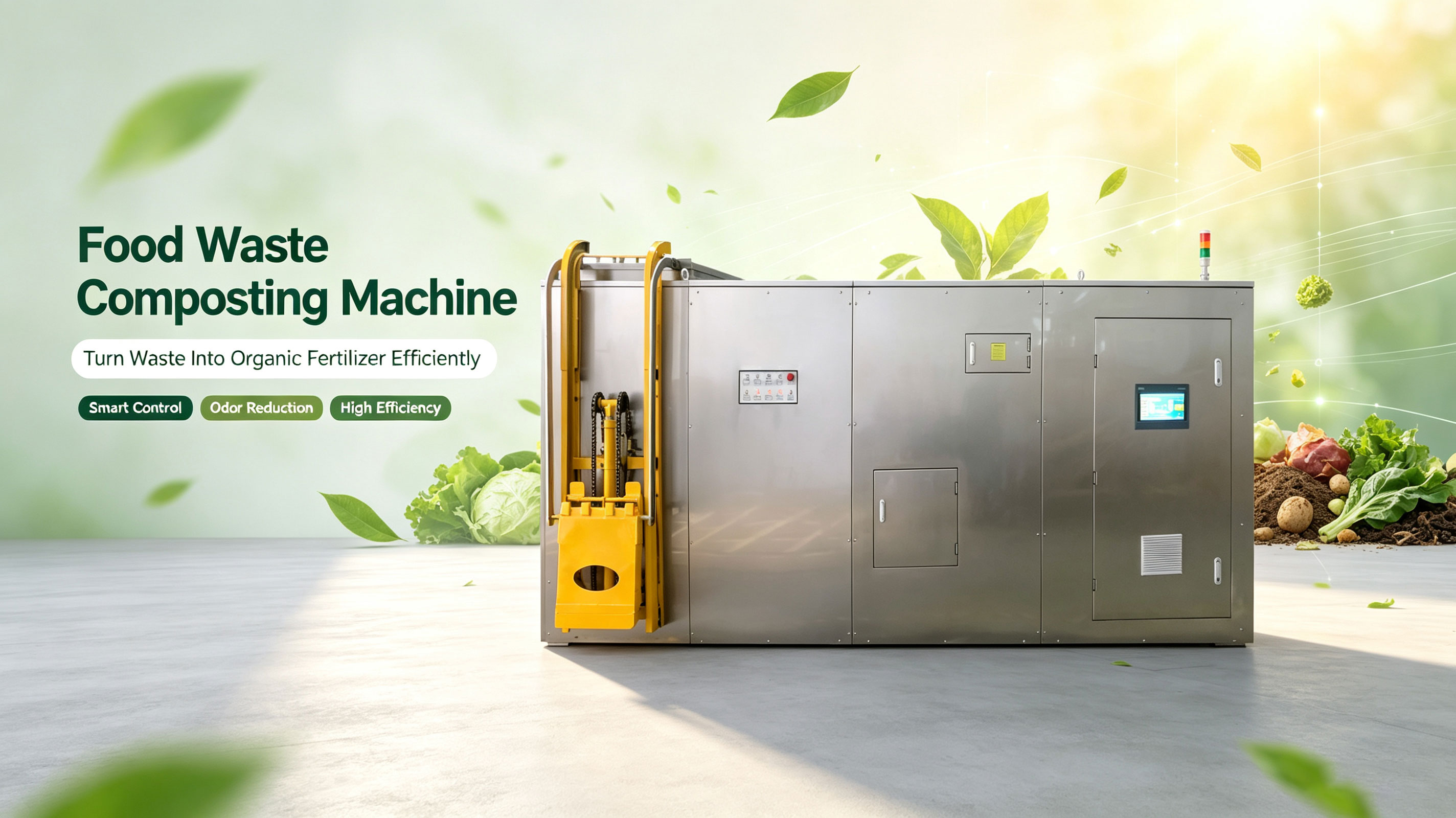
How Does Organic Waste Processing Equipment Work?
The processing method varies according to the machine and application. A typical organic waste composting system may follow several stages.
Step 1: Waste Collection and Feeding
Organic waste is collected from kitchens, restaurants, food production areas, or other sources and placed into the equipment.
Large or hard materials may need to be removed or pre-processed depending on the machine specifications.
Step 2: Crushing and Mixing
The organic waste can be crushed and mixed to create a more uniform material. Proper mixing helps improve contact between different types of organic waste and creates suitable conditions for decomposition.
Step 3: Aeration and Heating
Aeration provides oxygen to the processing chamber, supporting aerobic decomposition. Controlled heating can accelerate the biological process and help maintain suitable processing conditions.
Step 4: Microbial Decomposition
In aerobic composting systems, microorganisms break down biodegradable materials into simpler organic matter.
Temperature, moisture, oxygen, and processing time are important factors affecting the decomposition process.
Step 5: Compost Output and Curing
After the main processing stage, the material may require additional curing depending on the application and local requirements. The finished material can then be used as a soil amendment or for other appropriate applications.
Creeks Organic Waste Processing Solutions
Creeks Composter provides organic waste processing and food waste composting equipment for commercial and industrial applications.
Our solutions are designed for facilities that want to process organic waste closer to where it is generated. Depending on the model, systems can combine automated feeding, mixing, aeration, heating, microbial decomposition, odor control, and intelligent process management.
Creeks equipment can be used in restaurants, hotels, schools, factories, shopping malls, residential communities, food processing facilities, and other organic waste-generating locations.
With different capacities and configurations available, equipment can be selected according to the customer’s daily waste volume and processing requirements.
Build a More Efficient Organic Waste Management System
Organic waste does not have to be treated only as a disposal cost. With suitable organic waste processing equipment, businesses can reduce waste volume, simplify on-site waste management, control odors, and support the recycling of biodegradable materials.
Whether you need a compact food waste processor for a restaurant or a large-scale organic waste composting system for an industrial facility, choosing the right technology is an important step toward more efficient waste management.
Looking for the right organic waste processing equipment for your facility? Contact Creeks Composter to discuss your waste volume, application, and customized processing solution.