
 CR-1
CR-1 CR-2
CR-2 CR-3
CR-3 CR-5
CR-5 CR-10
CR-10 CR-30
CR-30 CR-50
CR-50 CR-100
 CR-200
 CR-300
 CR-500
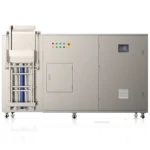 CR-1000
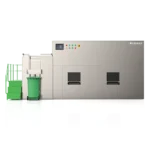 CR-2000
 CR-3000
 CR-5000
 10Tons
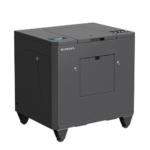 Food Waste Dryer
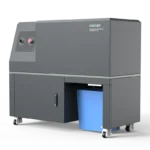 Food Waste Shredder
 Waste Reduction Machine
Recycling is one of the simplest ways to reduce waste, conserve natural resources, and support a more sustainable lifestyle. While recycling alone cannot solve the global waste problem, making better choices about what we buy, use, reuse, and recycle can have a meaningful impact.
Here are some practical recycling tips that everyone can follow in everyday life.
1. Learn Your Local Recycling Rules
Recycling rules vary from one city or country to another. Before putting something in the recycling bin, check your local recycling guidelines.
Some materials may be accepted in one area but rejected in another. Understanding local requirements helps prevent contamination and ensures recyclable materials can actually be processed.
2. Separate Recyclable Materials Properly
Common recyclable materials include:
- Paper and cardboard
- Glass bottles and jars
- Metal cans
- Certain plastic containers
- Other materials accepted by local recycling programs
Keep recyclable materials separated from food waste and other non-recyclable items whenever required by your local system.
3. Keep Recyclables Clean and Dry
Food and liquid residue can contaminate recyclable materials. Before recycling containers, empty them and remove excessive food or liquid residue.
For example, cans, bottles, and food containers should generally be emptied and rinsed when required by local recycling guidelines.
Clean recycling makes the sorting and processing process more efficient.
4. Reduce Single-Use Products
The best waste is often the waste you never create.
Instead of relying heavily on disposable products, consider reusable alternatives such as:
- Reusable shopping bags
- Refillable water bottles
- Reusable coffee cups
- Food storage containers
- Washable utensils
Reducing consumption can have an even greater environmental benefit than recycling alone.
5. Reuse Before You Recycle
Not everything needs to go directly into the recycling bin. Many products can be reused several times before they reach the end of their useful life.
Glass jars can become storage containers, cardboard boxes can be reused for moving or shipping, and old clothing can be donated or repurposed.
Following the principle of reduce, reuse, then recycle can help minimize waste.
6. Recycle Paper and Cardboard Responsibly
Paper and cardboard are widely recyclable, but they can easily become contaminated.
Break down cardboard boxes and keep paper products dry. Avoid placing heavily food-soiled paper or cardboard into recycling unless your local program specifically accepts it.
Reducing unnecessary printing and choosing digital documents can also help lower paper consumption.
7. Pay Attention to Plastic Recycling
Not all plastics are recycled in the same way. Look for the recycling information or plastic identification code on packaging, but remember that a recycling symbol does not necessarily mean the item is accepted by your local recycling program.
When in doubt, check your local recycling guidelines instead of assuming an item belongs in the recycling bin.
8. Compost Food and Organic Waste
Food scraps and other organic materials make up a significant portion of household waste. Instead of sending suitable organic waste to landfill, consider composting.
Fruit and vegetable scraps, coffee grounds, and other compostable materials can potentially be processed into useful compost, depending on the composting method.
For households, restaurants, hotels, schools, and other organizations producing larger quantities of food waste, a food waste composting machine can provide a convenient way to process organic waste locally.
9. Recycle Electronics Properly
Old electronics should not simply be thrown into the regular trash or recycling bin. Computers, phones, batteries, appliances, and other electronic products may require specialized recycling.
Look for local e-waste collection programs or authorized recycling centers. Proper disposal can help recover valuable materials while reducing environmental risks.
10. Avoid Recycling Contamination
One of the biggest challenges in recycling is contamination. Non-recyclable items mixed with recyclable materials can make sorting and processing more difficult.
Common mistakes include putting plastic bags, food waste, liquids, or other unsuitable materials into recycling bins.
When you are unsure whether something is recyclable, check the rules of your local recycling provider.
11. Choose Products with Less Packaging
Your recycling habits can start before you even buy something.
Whenever possible, choose products with minimal packaging, recyclable packaging, or reusable packaging. Buying in larger quantities can sometimes reduce packaging waste, although it is important to avoid buying more than you can use.
Making thoughtful purchasing decisions helps reduce waste at its source.
12. Create a Recycling Station at Home
A simple recycling station can make sustainable habits easier to maintain.
Place clearly labeled containers for different waste streams in a convenient location. You can separate general waste, recyclables, food scraps, and other special waste according to your local collection system.
When recycling becomes convenient, everyone in the household is more likely to participate.
13. Recycle More, But Consume Less
Recycling is important, but it should not become an excuse for excessive consumption.
A more sustainable lifestyle combines several habits:
Reduce → Reuse → Repair → Compost → Recycle → Dispose Responsibly
By following this approach, you can reduce the amount of waste generated in the first place.
Make Recycling Part of Your Daily Life
Living sustainably does not require making dramatic changes overnight. Small habits can gradually become part of your everyday routine.
Start by learning your local recycling rules, reducing disposable products, reusing items whenever possible, separating waste correctly, and composting suitable organic waste.
Every bottle reused, box recycled, food scrap composted, and unnecessary product avoided can contribute to a cleaner and more sustainable future.
Better waste management starts with simple choices—and every choice makes a difference.