
 CR-1
CR-1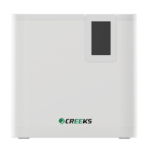 CR-2
CR-2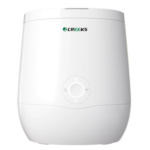 CR-3
CR-3 CR-5
CR-5 CR-10
CR-10 CR-30
CR-30 CR-50
CR-50 CR-100
 CR-200
 CR-300
 CR-500
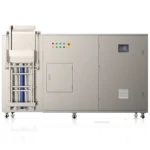 CR-1000
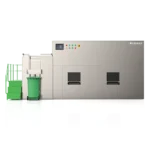 CR-2000
 CR-3000
 CR-5000
 10Tons
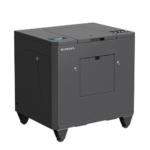 Food Waste Dryer
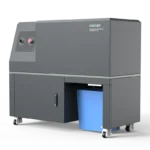 Food Waste Shredder
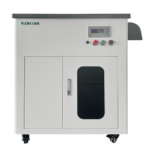 Waste Reduction Machine
Composting not only helps fight climate change, but it also produces a product, a rich soil supplement that is known as “black gold” to gardeners.
Composting breaks down organic matter without creating and releasing significant amounts of methane. To break down efficiently, the organic materials need oxygen from the air to decompose without producing methane. That is why compost piles need to be “turned” or mixed periodically. Landfills are an ‘oxygen-poor’ environment, leading decomposing organics to create larger amounts of methane.
Composting is an important part of fighting climate change. When you throw your food scraps in the trash, they get taken to a landfill. And when that decomposes, it can generate a lot of methane, a greenhouse gas.
Methane is 25 times more potent than carbon dioxide at trapping heat in the atmosphere. Composting is one tool for sustainable organic waste management. When it comes to food, eat it — don’t throw it in the trash. When we do generate organic waste, compost it. It’s one of the best things you can do for our environment.
Composting food scraps has a wide range of environmental, economic, and practical benefits. Here are the key advantages, broken down by category:
1. Reduces Methane Emissions from Landfills (Most Important)
When food scraps end up in a landfill, they are buried under piles of trash without oxygen. This anaerobic (without oxygen) environment produces methane, a greenhouse gas that is over 25 times more potent than carbon dioxide at trapping heat in the atmosphere. Composting keeps scraps in an aerobic (with oxygen) environment, producing mostly harmless carbon dioxide instead.
2. Creates Nutrient-Rich Soil (Compost)
Instead of throwing away valuable organic matter, you transform it into “black gold”—a free, high-quality soil amendment.
- Natural fertilizer: Provides nitrogen, phosphorus, and potassium slowly and safely.
- Soil structure: Improves both sandy soil (helps it hold water) and clay soil (helps it drain).
- Microbial life: Feeds billions of beneficial bacteria and fungi that help plants grow strong and resist disease.
3. Saves Money
- On fertilizer and soil: You don’t need to buy chemical fertilizers or bagged potting soil for your garden, lawn, or houseplants.
- On garbage bills: Many trash services charge by volume or weight. Removing heavy, wet food scraps can reduce the number of bags you put out and lower your bill.
4. Conserves Water
Compost acts like a sponge. When mixed into soil, it can hold up to 200% of its weight in water. This dramatically reduces how often you need to water your garden, lawn, or potted plants, which is especially valuable in drought-prone areas.
5. Reduces the Need for Chemical Fertilizers
Synthetic fertilizers are energy-intensive to produce (requiring fossil fuels) and can run off into waterways, causing toxic algae blooms and “dead zones” in oceans and lakes. Compost provides a natural alternative that releases nutrients slowly without polluting.
6. Prevents Soil Erosion
Compost binds soil particles together, making it harder for wind and rain to wash away precious topsoil. This is critical for farms, gardens, and slopes.
One Note of Caution
Do not compost meat, bones, dairy, oily foods, or pet waste in a simple backyard bin (they can attract pests and smell bad). These are best handled by industrial composting facilities or municipal programs. For home composting, stick to fruit/vegetable scraps, coffee grounds, eggshells, leaves, and yard trimmings.
In short: Composting is one of the single most effective individual actions you can take to fight climate change, improve your garden, and reduce waste—all at the same time.